
Key takeaways
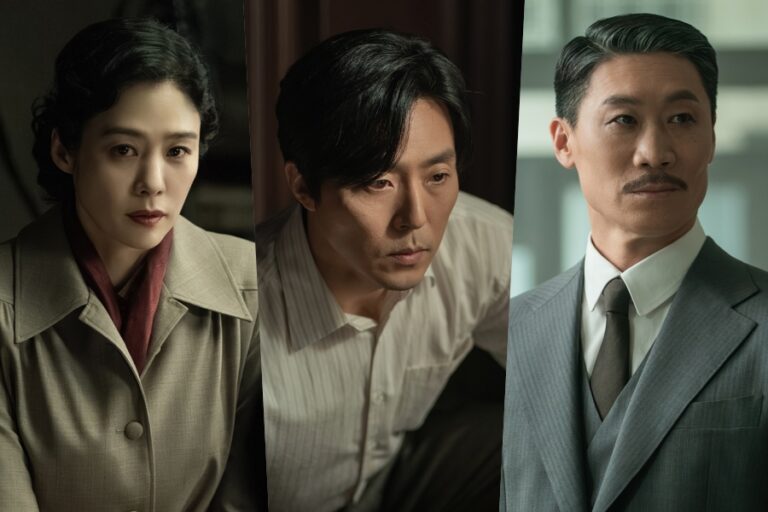
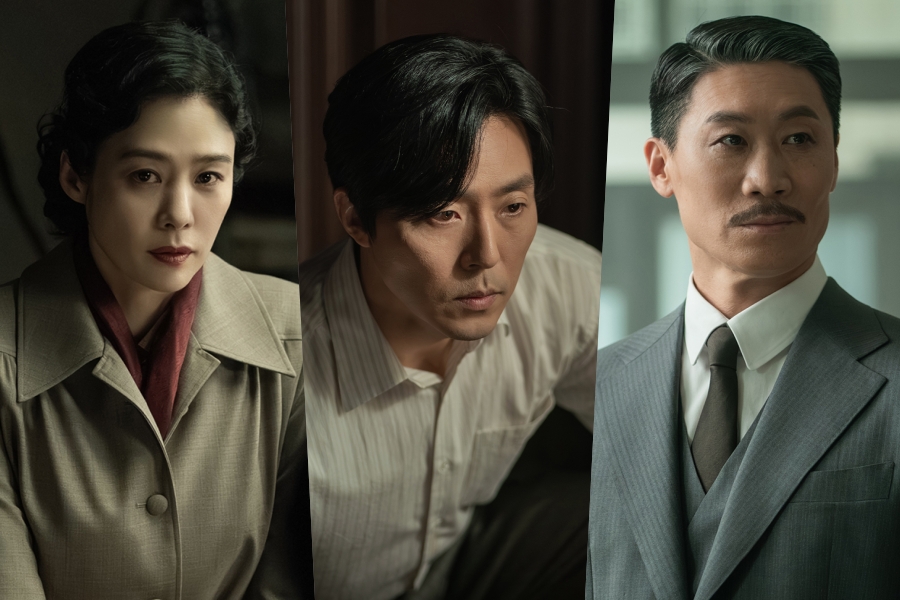
- Kim Hyun Joo plays Yoo So Ran, a resistance fighter whose personal quest for revenge transforms into a fight for Korean independence as her heart gradually opens through relationships.
- Lee Moo Saeng portrays Yoo Philip, a Korean American journalist who marries Yoo So Ran strategically while using his profession to pressure the colonial administration from within.
- Jin Sun Kyu embodies Sato Shinichi, the Political Affairs Director and antagonist targeted by multiple parties for different reasons, unaware of the threats closing in around him.
- The drama premieres October 10 at 9:10 p.m. KST under director Yoo In Shik, known for 'Extraordinary Attorney Woo' and the 'Dr. Romantic' franchise.
“100 Days of Deception,” an upcoming period spy-romance drama, has revealed casting details for three pivotal roles that form the series’ central conflict. The production brings together established actors to explore themes of colonial resistance, personal ambition, and divided loyalties during Korea’s occupation by Japan.
Director Yoo In Shik, who previously helmed the comedy-legal series “Extraordinary Attorney Woo” and the ongoing “Dr. Romantic” medical thriller franchise, takes creative control of this project. The drama spans exactly one hundred days of narrative time, establishing both its title and temporal frame around the Japanese occupation period.
The Central Plot: Infiltration and Revolution
The story follows Lee Ga Kyeong, a pickpocket operating in Gyeongseong, the historical designation for Seoul during the colonial era. Recruited into the independence movement, Lee Ga Kyeong undertakes a covert mission to penetrate the Japanese Government-General building itself, the administrative heart of Japanese colonial rule in Korea. Her assignment places her in contact with interpreter Kim Tae Woong, officially registered under the Japanese name Sato Hideo. This figure holds a unique and complicated status as the adopted son of Korea’s Inspector-General, the second-highest administrative position in the colonial hierarchy.
The conflict between Lee Ga Kyeong and this key administrator represents only one dimension of the drama’s intrigue. Beyond this pairing emerges a secondary triangle involving three additional characters whose histories, according to the production, contain complicated ties dating back many years. These three actors embody the ideological and personal conflicts that sustain the narrative tension.
Yoo So Ran: The Resistance Marksman
Kim Hyun Joo assumes the role of Yoo So Ran, a skilled marksman and prominent member of Gugukdan, the organized anti-Japanese resistance group. As one of the group’s leading operatives, she combines practical combat skills with unwavering commitment to the independence cause.
Revenge Transformed Into Purpose
Yoo So Ran’s character arc traces a movement from personal motivation to national purpose. According to Kim Hyun Joo, “She is someone who has endured for a long time, having given up her own life and held on solely to her personal desire for revenge.” The actress identified the character’s evolution: “Although her journey may have begun with personal revenge, she doesn’t stop there and eventually lives for a greater cause and her country.” This description emphasizes that her initial wound transforms into something larger as circumstances and relationships reshape her understanding of sacrifice.
The Emotional Thaw
Kim Hyun Joo emphasized that portraying this internal transformation formed the core of her interpretive work. She noted that she focused on delicately portraying Yoo So Ran’s emotional transformation, observing that “Her heart, which had become cold and hardened, gradually begins to change as she meets different people.” This approach suggests that action sequences, while present, serve a secondary purpose to the character’s psychological journey. The performance demands attention to moment-by-moment shifts in affect and understanding rather than external performance of emotion.
Promotional stills released by the network show Yoo So Ran in her capacity as a resistance strategist, explaining operational plans to group members while confidently handling weaponry. These images establish her authority within the movement and her willingness to engage directly in the conflict.
Yoo Philip: The Journalist Operative
Lee Moo Saeng portrays Yoo Philip, a Korean American correspondent and fellow member of Gugukdan. Beyond his role within the resistance, Yoo Philip maintains a strategic marriage of convenience with Yoo So Ran, creating a domestic cover that conceals their actual activities.
Journalism as Resistance
His professional status as a journalist provides operational advantages to the resistance. Through his credentials and publications, Yoo Philip positions himself to pressure the Political Affairs Director of the Japanese Government-General, leveraging the power of public discourse and journalistic exposure as weapons against the administration. This approach represents a non-violent but politically consequential form of resistance, suggesting that the drama encompasses multiple tactics beyond direct action.
Reason Over Impulse
Lee Moo Saeng characterized Yoo Philip as embodying apparent contradiction, describing him as “a person with a cool head and a passionate heart.” He elaborated on the balance his portrayal attempts to strike: “Although he is willing to put himself on the line for the greater cause, I tried to portray him as someone who always thinks things through and has the self-control to make decisions based on reason rather than emotion.” This creates a figure who makes calculated choices within urgent circumstances, suggesting that effectiveness requires both conviction and tactical restraint.
The released imagery depicts Yoo Philip observing Yoo So Ran with visible concern, suggesting emotional complexity beneath their marriage of strategic convenience. This visual choice implies that despite the functional nature of their union, deeper emotional bonds may develop or already exist between the characters.
Jin Sun Kyu: The Antagonist at the Center
Jin Sun Kyu takes the opposing position as Sato Shinichi, the Political Affairs Director of the Japanese Government-General and the second-highest-ranking official within Korea’s colonial administration. His character functions as the primary antagonist whom multiple parties pursue for distinct reasons.
The Machinery of Ambition
Sato Shinichi operates under a singular driving force: personal ambition pursued without ethical restraint. Having risen to significant power within the colonial structure, he remains willing to adopt any method necessary to secure further advancement. This willingness extends to compromising the lives and dignity of those beneath him in the hierarchy, suggesting a character whose moral boundaries have been systematically eroded by exposure to power.
Jin Sun Kyu described Sato Shinichi as “a man at the center of evil whom everyone wants to eliminate and be wary of.” He explained his interpretive approach: the character crosses the line in pursuit of his own desires within the power structure, ultimately trampling on the lives and dignity of others. This reading presents Sato Shinichi less as an ideological villain and more as a pragmatist who has weaponized the colonial system for personal gain.
The promotional stills capture Sato Shinichi’s psychological detachment from violence, showing him pointing a weapon while remaining completely unfazed. This visual choice emphasizes emotional distance from the consequences of his actions, suggesting a character for whom cruelty has become routine.
Converging Threats and Unraveling Secrets
The narrative tension accelerates from the convergence of these three figures. Sato Shinichi becomes the common target, though approached from different vectors with different motivations. Yoo So Ran’s assassination plot targets him as the embodiment of colonial oppression, while Lee Ga Kyeong’s infiltration serves the broader independence movement objectives. Critically, Sato Shinichi remains unaware of either woman’s true identity or purpose, positioning him as unknowingly threatened from multiple quarters.
This structural arrangement creates dramatic potential beyond simple action sequences. The play of revelation, misidentification, and crossed purposes generates stakes dependent on character understanding and miscalculation rather than merely on physical confrontation. The hundred-day frame adds urgency to these colliding plans.
Broadcast Details
“100 Days of Deception” will premiere on October 10 at 9:10 p.m. KST. The cast includes GOT7’s Park Jinyoung in the role of interpreter Kim Tae Woong, demonstrating the production’s commitment to assembling recognizable talent across multiple acting traditions. Director Yoo In Shik’s prior work on both “Extraordinary Attorney Woo” and the “Dr. Romantic” franchise positions him to handle the ensemble dynamics and tonal balance required by a period spy-romance spanning colonial-era Korea.
Source: Soompi
Frequently Asked Questions
What is the plot of '100 Days of Deception'?
The drama follows Lee Ga Kyeong, a pickpocket who becomes an undercover spy for the independence movement and infiltrates the Japanese Government-General during Korea's colonial occupation. She encounters interpreter Kim Tae Woong, whose adoptive father is the second-highest official in the administration.
How are the three main supporting characters connected?
Kim Hyun Joo's Yoo So Ran and Lee Moo Saeng's Yoo Philip are married in a strategic union, both members of the Gugukdan resistance group. Jin Sun Kyu's Sato Shinichi, the antagonist Political Affairs Director, becomes the target of both Yoo So Ran's assassination plot and Lee Ga Kyeong's infiltration mission.
What does Lee Moo Saeng emphasize about his character Yoo Philip?
Lee Moo Saeng describes Yoo Philip as "a person with a cool head and a passionate heart," stressing that while he is willing to sacrifice for the greater cause, he makes decisions based on reason and self-control rather than emotion.
