
Key takeaways
- Han Sun Hwa and Chang Ryul reunite in 'The Table: Day and Night,' a café-set film exploring reconnection between two former middle school classmates who have developed contrasting personalities.
- The film weaves together four separate couples' stories within a single café during autumn, each relationship reflecting a different stage of intimacy from first meetings to established partnerships.
- Rather than plot-driven drama, the film prioritizes intimate dialogue and understated character moments, using the autumn season to mirror the subtle emotional transitions the couples experience.
- 'The Table: Day and Night' arrives in November theaters, positioning its thematic focus on change and reconnection to resonate with audiences experiencing their own seasonal transitions.
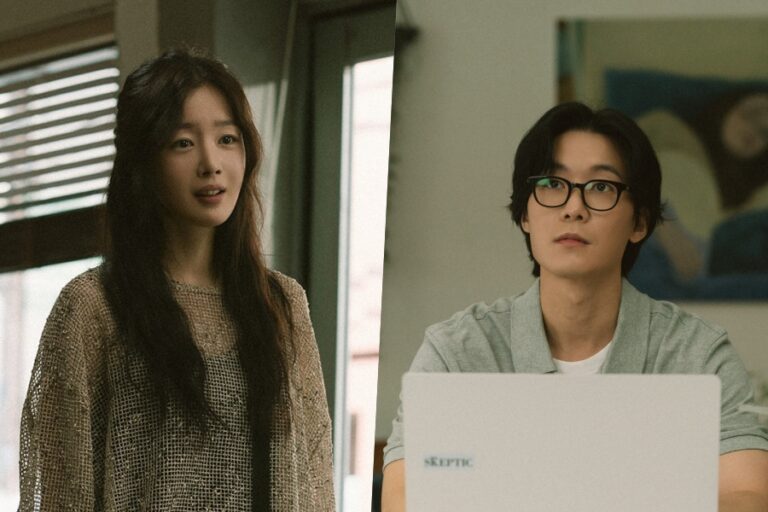
“The Table: Day and Night,” arriving in theaters in November, constructs its narrative around four couples whose stories converge within a single café during the transition from summer into autumn. The film prioritizes intimate dialogue and understated character moments as these couples navigate the terrain of first meetings, unexpected reunions, and the complexities of established relationships. Character stills released for the production showcase Han Sun Hwa and Chang Ryul, hinting at how their particular storyline explores the collision between contrasting personalities and the possibility of meaningful reconnection after years apart.
Four Couples, Four Encounters
The café functions as the stage where multiple romantic narratives play out simultaneously, each offering a distinct exploration of human connection. Yoo Jin (Kim Min Ha) and Hyeon Oh (Joo Jong Hyuk) visit the café at different hours of the day, their timing such that they exist in separate worlds until the film finally brings them together. Sang Mi (Han Sun Hwa) and Young Min (Chang Ryul) reunite after knowing each other during middle school private tutoring sessions, a shared past that transforms their chance encounter into something layered with history. Hye Jin (Shim Eun Kyung), a web novel writer, meets Dong Nam (Lee Hee Joon), an indie filmmaker, in an encounter marked by immediate conflict and intensity. Na Kyeong (Jeon So Young), an aspiring entertainer pursuing idol status, and her boyfriend Jong Su (Kim Dong Hwi) inhabit an established relationship navigating the bittersweet mixture of commitment and competing ambitions.
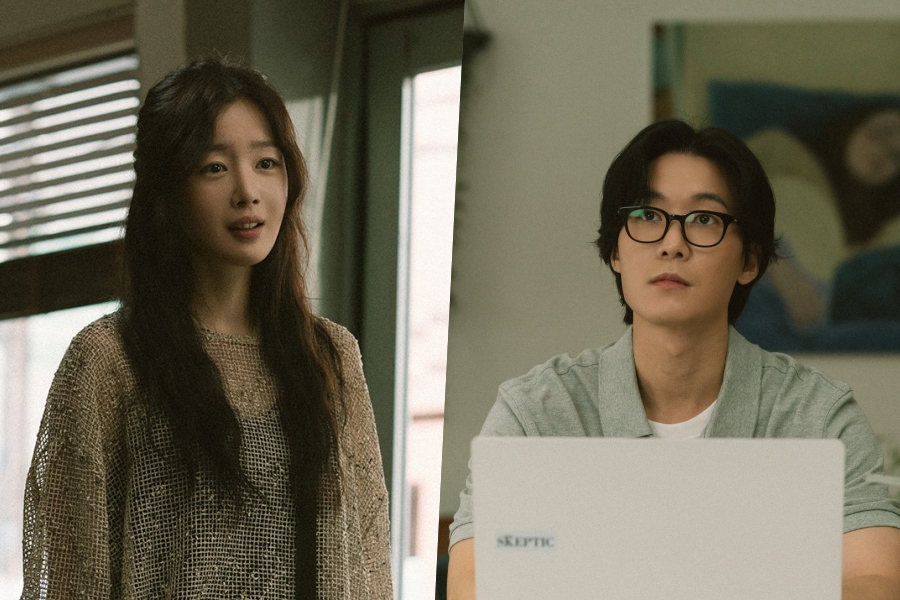
Han Sun Hwa and Chang Ryul’s Unexpected Reunion
The reunion between Sang Mi and Young Min anchors one of the film’s most compelling explorations of how the past shapes present possibility. Both characters attended the same private tutoring academy during their formative middle school years, a detail that transforms their chance encounter in adulthood from mere coincidence into something more complex. Years have passed since that brief coexistence, and both have developed along separate trajectories, their personalities crystallized into distinct shapes by the choices they have made and the lives they have lived.
The Middle School Connection
The film does not treat their shared past as a plot device to be quickly explained and dispensed with. Instead, it holds that connection as something that lingers beneath the surface of their adult interaction, creating recognition that is not quite certainty. Young Min, encountering Sang Mi again after all this time, finds himself confused by the intensity of his own emotional response. He recognizes her, yet does not fully recognize the woman she has become. The film suggests that their history creates a peculiar kind of vulnerability—neither is a true stranger, yet both are strangers in many ways to the people they have become since their middle school years.
Contrasting Temperaments
Han Sun Hwa plays Sang Mi as someone whose free-spirited nature and unpredictability charm others while simultaneously keeping them at arm’s length. Chang Ryul’s Young Min presents as her opposite in nearly every way: composed, principled, someone who appears to have constructed a carefully ordered life built on stability and restraint. The character stills emphasize this visual divergence starkly. Where Sang Mi exudes careless charm and spontaneity, Young Min projects controlled propriety and measured consideration. The film appears genuinely interested in testing whether such opposing forces find balance, sharpen each other’s rough edges, or create friction that proves unbridgeable.
A Patchwork of Relationship Dynamics
The other three couples introduce distinct emotional registers across the film’s overall landscape, preventing the narrative from settling into a single mood or approach to romance.
Hye Jin and Dong Nam’s Fiery Encounter
Hye Jin and Dong Nam ignite through confrontation rather than recognition. Their first meeting crackles with the kind of chemistry born from immediate opposition and verbal sparring, a dynamic that demonstrates passion through conflict. This storyline diverges markedly from the slower-building recognition developing between Sang Mi and Young Min, showing that the film refuses to settle on a singular emotional register for all its couples.
Na Kyeong and Jong Su’s Established Bond
Na Kyeong and Jong Su inhabit the landscape of an established relationship where connection carries profound weight precisely because time and shared history have made both partners vulnerable to each other’s absences and disappointments. Their narrative traces the bittersweet terrain of sustained commitment, where moments of tenderness and understanding compete with the weight of competing personal ambitions and the small ways that life partners sometimes fail each other.
The Primacy of Dialogue
The film constructs its narrative through conversation rather than conventional plot machinery. Each couple’s story unfolds largely through dialogue—the witty exchanges, the understated confessions, the charming moments when people genuinely attend to what another person is saying rather than planning their next words. Within the contained geography of the café, these four couples reveal themselves to each other and to the audience through words rather than action.
Seasonal Symbolism
The film’s placement during the autumn transition shapes more than setting. This is the season of subtle change, of warmth gradually yielding to cooler temperatures, of preparation for the endings that winter represents. The film mirrors these themes through its characters’ internal landscapes—moments of clarity interrupted by uncertainty, new connections forming as other possibilities recede into the past. The season becomes inseparable from the emotional journeys these couples navigate.
November Theatrical Release
“The Table: Day and Night” reaches theaters in November, positioning the film to arrive as audiences themselves experience the full movement into autumn’s depths. The timing allows the movie’s thematic preoccupations with change, reconnection, and the delicate architecture of human closeness to resonate with viewers in their own seasonal passages.
Source: Soompi
Frequently Asked Questions
What is the relationship between Han Sun Hwa's and Chang Ryul's characters?
Sang Mi (Han Sun Hwa) and Young Min (Chang Ryul) are former classmates from middle school private tutoring sessions who unexpectedly reunite years later as adults.
How many couples' stories does the film explore?
The film weaves together four couples' stories: Yoo Jin and Hyeon Oh who visit the café at different times, Sang Mi and Young Min who unexpectedly reunite, Hye Jin and Dong Nam who meet with immediate conflict, and Na Kyeong and Jong Su who navigate an established relationship.
