
Key takeaways
- Jang Hyuk leads The Great King Munmu as Yeon Gaesomun, a ruthless Goguryeo war god who consolidated power through military strength and elimination of rivals.
- The drama explores the Three Kingdoms period, focusing on how Silla overcame Goguryeo, Baekje, and China's Tang dynasty to unify the Korean peninsula.
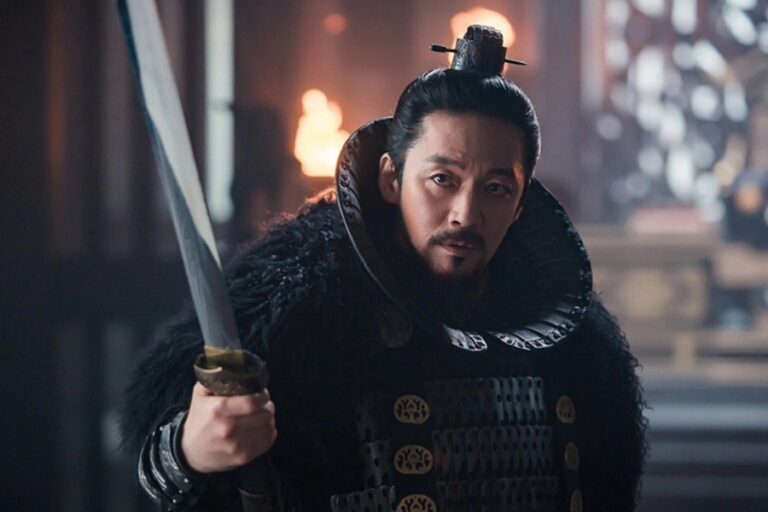
- New production stills depict Yeon Gaesomun as an unflinching warrior, showing him unmoved by bloodshed in his calculated pursuit of victory.
Historical drama The Great King Munmu has announced Jang Hyuk in the leading role of Yeon Gaesomun. The production, directed by Kim Yeong Jo who previously helmed Hwarang: The Poet Warrior Youth, chronicles one of East Asian history’s most consequential periods: the eventual unification of the Korean peninsula under Silla’s dominance.
The Three Kingdoms and Silla’s Unlikely Path to Power
The narrative unfolds across a time when three competing powers controlled the Korean peninsula. Goguryeo and Baekje each commanded substantial military resources and territorial reach, while external pressure from China’s Tang dynasty added further complexity to regional rivalries. Against this overwhelming opposition, Silla, the geographically smallest of the three kingdoms, engineered its own rise and ultimately unified the peninsula under its rule. The Great King Munmu explores this improbable historical transformation, examining the ambitions, conflicts, and strategic decisions that allowed Silla to overcome far larger rivals.
Yeon Gaesomun: A Man Built on Military Heritage and Ruthlessness
Three Generations of Military Authority
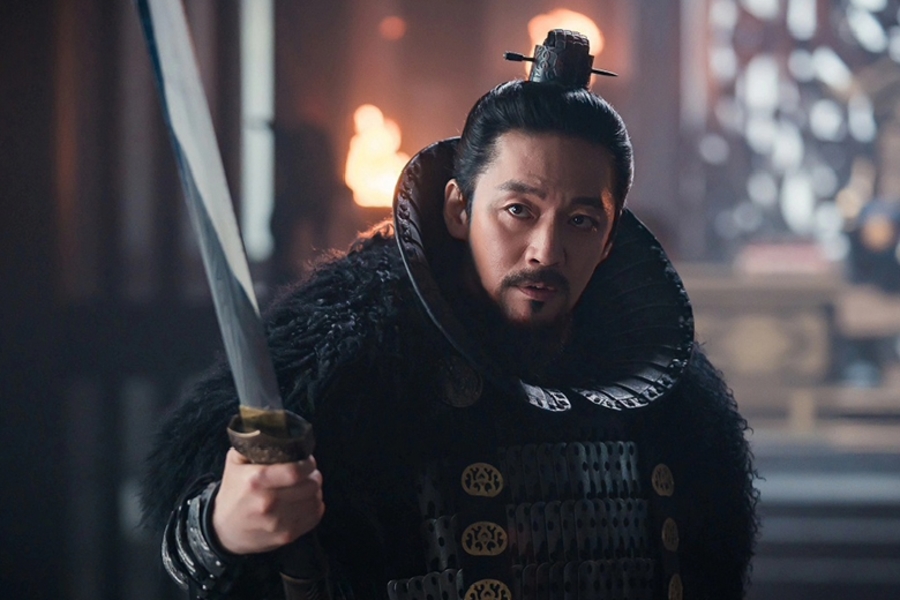
Yeon Gaesomun, whom Jang Hyuk portrays, inherited military power through his family’s long institutional standing. Three generations of his ancestors had held military authority within Goguryeo, providing him with both inherited rank and established networks of command. This genealogical advantage gave him institutional credibility, yet Yeon Gaesomun chose to build his personal reputation through direct achievement rather than relying solely on family name.
From Combat Mastery to Political Dominance
Yeon Gaesomun earned recognition as Goguryeo’s war god through exceptional skill in battlefield combat and tactical victories. His martial reputation granted him genuine legitimacy among soldiers and the population, creating a foundation of respect built on demonstrated ability. However, this military prominence became a stepping stone to something far more significant: absolute control over Goguryeo’s political machinery. His transformation from celebrated warrior to feared ruler drives the central narrative of his character arc.
The Elimination of Rivals and Consolidation of Power
As Yeon Gaesomun’s influence expanded, Goguryeo’s existing nobles recognized the threat he posed to their own authority and privileges. Concluding that his dominance threatened their survival, they conspired to assassinate him. Yeon Gaesomun responded not with retreat but with systematic elimination of every conspirator, converting the assassination plot into an opportunity to purge potential rivals. This calculated bloodletting established him as Goguryeo’s uncontested master, willing to employ any method necessary to secure authority. Once consolidated at home, Yeon Gaesomun’s ambitions extended toward neighboring Silla, placing him at the heart of the Three Kingdoms struggle that generates the drama’s central conflicts.
The Visual Portrayal Through Production Stills
The production released new stills capturing Jang Hyuk’s interpretation of the character. According to Soompi, these images establish Yeon Gaesomun’s visual identity throughout the series. In one photograph, he stands on the battlefield with a gaze so penetrating it communicates both experience and menace to those who face him. Another image shows blood visible on his face following combat, yet his expression registers neither satisfaction, horror, nor hesitation, only the calm composure of someone for whom violence represents a routine instrument rather than a transgression. The cumulative effect of these stills portrays a figure entirely comfortable pursuing victory through whatever means the situation demands.
Jang Hyuk’s Historical Drama Expertise
Jang Hyuk has built a distinguished reputation within Korean historical television, consistently delivering performances that combine technical mastery of action choreography with psychological nuance in portraying conflicted, driven characters. His work has demonstrated an ability to convey both the public persona of powerful men and their internal calculations and vulnerabilities. For The Great King Munmu, Jang Hyuk takes on a character requiring multiple layers of complexity: the military tactician, the ruthless political operator, the man whose personal hunger for power introduces chaos and instability into an entire region. The production has structured the narrative to ensure Jang Hyuk remains central throughout, spanning the arc from Yeon Gaesomun’s consolidation of domestic power through his eventual confrontations with Silla’s unification campaigns.
Production Team’s Public Assessment
The production team shared their evaluation of Jang Hyuk’s contributions with Soompi. According to their statement, Jang Hyuk is filling the set with his commanding presence, demonstrating the prowess of a true ‘master of historical dramas.’ The team expressed particular interest in witnessing how Jang Hyuk would embody Yeon Gaesomun’s distinctive combination of political ambition and personal charisma. They specifically characterized Yeon Gaesomun as the force that will generate conflict and opposition to Silla’s unification objectives, making Jang Hyuk’s acting ability essential to conveying this role as a source of destabilization and threat within the broader historical narrative.
Source: Soompi
Frequently Asked Questions
Who directs The Great King Munmu?
Kim Yeong Jo directs the series. He previously directed the historical drama Hwarang: The Poet Warrior Youth.
What is the historical setting of The Great King Munmu?
The drama focuses on the Three Kingdoms period, depicting how Silla overcame the military might of Goguryeo, Baekje, and China's Tang dynasty to unify the Korean peninsula.
How did Yeon Gaesomun consolidate power in Goguryeo?
Yeon Gaesomun inherited military authority through three generations of his family but earned his reputation through combat skills. When nobles conspired to assassinate him, he systematically eliminated every conspirator and seized absolute control of Goguryeo.
