
Key takeaways
- "Sword & Silence" premieres November 14 at 9:20 p.m. KST on KBS 2TV, spanning approximately 40 years across 28 episodes with director Kim Yeong Jo of "Hwarang: The Poet Warrior Youth" at the helm.
- Director Kim Yeong Jo structured the narrative to emphasize individual decisions and their role in determining national survival, giving significant weight to figures and perspectives from Goguryeo, Baekje, and Tang alongside Silla.
- The drama's three central themes—heroes, blood, and unification—focus on integration and sacrifice rather than conquest, showing how people from different kingdoms came together as one nation under King Munmu.
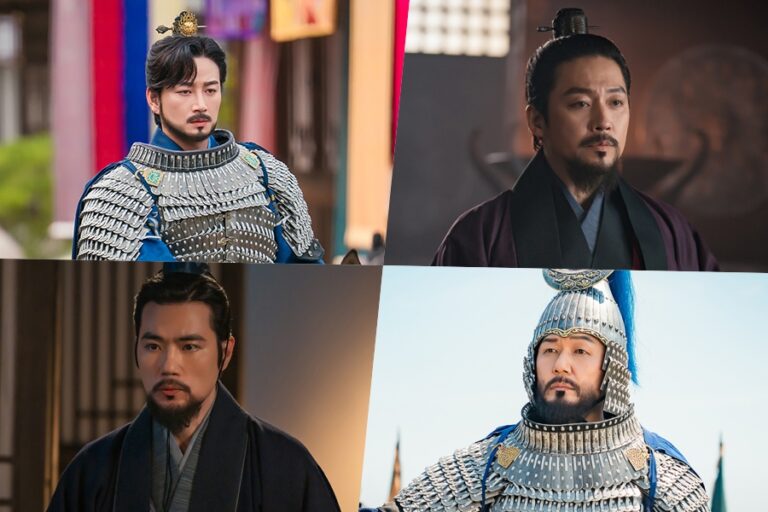
KBS 2TV’s upcoming historical epic “Sword & Silence” is poised to explore a defining moment in Korean history through the lens of a director known for his ambitious scope. Director Kim Yeong Jo, who previously helmed “Hwarang: The Poet Warrior Youth,” is bringing his vision to a story centered on Silla’s triumph over the more powerful kingdoms of Goguryeo and Baekje, as well as China’s Tang dynasty, ultimately leading to the unification of the Three Kingdoms. The drama spans approximately 40 years across 28 episodes and is set to premiere on November 14 at 9:20 p.m. KST.
The Director’s Creative Vision
Why Silla’s Story Matters Today
When asked about his motivation for directing the project, Kim Yeong Jo articulated a vision that extends beyond historical narrative. He noted that the process by which individual decisions can determine whether a nation survives or collapses carries significant resonance for contemporary Korean audiences. The drama will foreground the Kim Chun Chu family’s devotion to their nation and King Munmu’s choice to mount a preemptive strike against Tang as pivotal elements, presenting history not as inevitability but as the product of consequential choices made by specific individuals at critical junctures.
Condensing Epic Scope
Translating four decades into 28 episodes required strategic decisions about which characters and themes to emphasize. The director explained that he concentrated on the process of nation-building and the key figures who made it possible, rather than attempting to chronicle every detail of the era. This approach allowed the narrative to examine what distinguished Silla from its rivals Goguryeo and Baekje, and what enabled people from different backgrounds to unite as a single nation. By narrowing focus rather than expanding it, the production could develop complex character arcs and motivations within a compressed timeframe, giving weight to interpersonal dynamics and ideological conflicts alongside military strategy.
A Multi-Perspective Narrative
Notably, the drama will not restrict its sympathies to Silla’s perspective alone. Kim Yeong Jo explained that significant weight will be given to the viewpoints and decisions of major figures from Goguryeo, Baekje, and Tang, allowing viewers to empathize with characters on opposing sides of the conflict. This approach transforms what might otherwise be a triumphalist narrative into a more nuanced examination of historical actors making choices within the constraints of their circumstances and the geopolitical realities they faced.
Cast and Character Interpretation
The selection of the lead actors reflected careful consideration of how each performer’s qualities would serve the psychological demands of their roles. Director Kim Yeong Jo offered specific insights into why each casting choice proved essential to his vision.
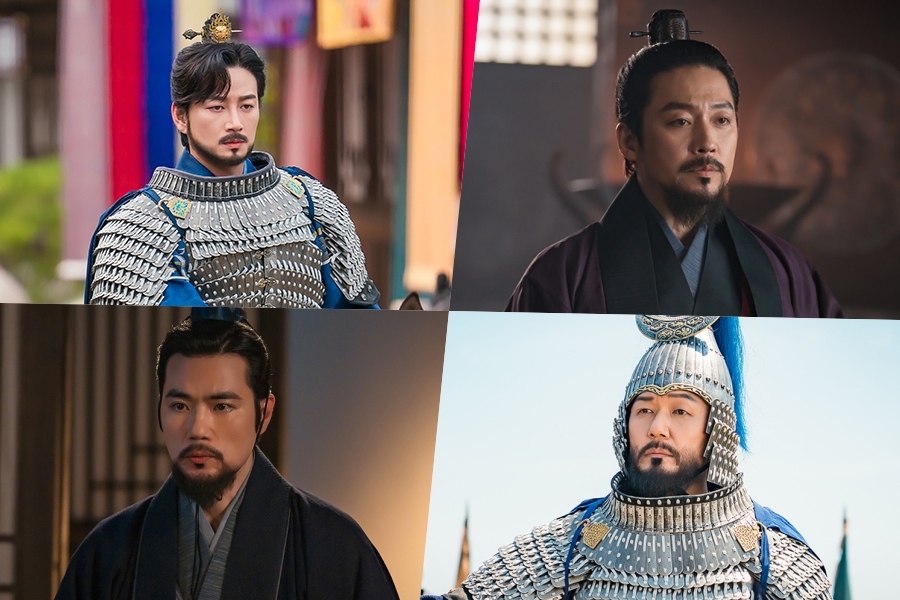
Lee Hyun Wook, who plays Kim Pom Min—the figure who would become King Munmu—brings an expressive quality to his eyes that the director identified as crucial to the role. The character’s journey requires an actor capable of portraying an incomplete figure gradually maturing into a fully realized monarch, a progression that Kim Yeong Jo believes Hyun Wook’s performance can convey with remarkable subtlety. The character’s development unfolds through the trials and decisions that test him as he moves toward his ultimate role as Korea’s unifier.
Jang Hyuk, cast as Yeon Gaesomun, was selected for his ability to embody apparent contradictions within a single character. The director praised Hyuk’s possession of both intense charisma and boyish innocence, qualities that allow the character to function as more than a one-dimensional antagonist. This duality enriches the narrative complexity Kim Yeong Jo sought, preventing opposition figures from becoming mere obstacles.
Kim Kang Woo portrays Kim Chun Chu, a character defined by endurance through suffering and sacrifice in service to national survival. The director highlighted Kang Woo’s skill at expressing the internal struggle such a character must experience—someone bearing enormous hardship while remaining committed to his nation’s welfare. Park Sung Woong, in the role of Kim Yu Shin, earned praise for delivering commanding performances whenever he appears on screen, with the director emphasizing the natural charisma the actor brings to scenes across the narrative arc.
Battle Sequences and Psychological Storytelling
Among the production elements that received the director’s most intensive attention were the battle sequences. Rather than treating these scenes as spectacle disconnected from character development, Kim Yeong Jo used them to communicate both the existential threats Silla faced and the internal psychological states of its central figures. As Kim Pom Min develops across the drama, the battles he encounters serve as crucibles that forge the king who would eventually unify the peninsula.
This approach means that action sequences advance both plot and character simultaneously, showing viewers the specific trials that transformed Kim Pom Min into the historical figure who accomplished unification. Audiences will witness not just military victory but the personal cost and psychological growth intertwined with strategic success and political ambition.
Core Themes and Keywords
The director identified three keywords that encapsulate the drama’s thematic architecture: “heroes,” “blood,” and “unification.” According to Kim Yeong Jo, these three concepts interweave throughout the narrative. He explained: “Sword & Silence is a story about the blood shed by heroes as Silla embraced the people of Goguryeo and Baekje, fought alongside them against Tang, and strove to become one nation.” The phrasing emphasizes that unification required not victory over rival peoples, but their integration into a shared community, a process accompanied by genuine sacrifice from those who led it and participated in it.
The director expressed his hope that the drama will be remembered as a work that expands what epic historical dramas can accomplish in scope and thematic complexity. By examining the choices of all parties involved in this historical moment, rather than celebrating Silla’s triumph in isolation, the production aims to deepen viewers’ engagement with the era and its human dimensions.
Premiere and Production Scale
“Sword & Silence” will debut on November 14 at 9:20 p.m. KST on KBS 2TV. The production represents a significant undertaking in historical drama production, combining character-driven storytelling with the large-scale production requirements of an epic narrative spanning decades. The scale of the undertaking, from casting decisions to battle choreography to thematic coherence, reflects Kim Yeong Jo’s commitment to creating a work that honors both historical substance and dramatic intensity.
Source: Soompi
Frequently Asked Questions
When does "Sword & Silence" premiere and how many episodes will it have?
"Sword & Silence" premieres on November 14 at 9:20 p.m. KST on KBS 2TV. The drama spans approximately 40 years across 28 episodes.
Who directed "Sword & Silence" and what is his previous work?
Director Kim Yeong Jo helmed the production. He is known for his previous work on "Hwarang: The Poet Warrior Youth."
What is the story of "Sword & Silence" about?
The drama tells the story of how Silla overcame the more powerful kingdoms of Goguryeo and Baekje, as well as China's Tang dynasty, to unify the Three Kingdoms. It examines the key figures and decisions that enabled this historical achievement.
