
Key takeaways
- Ryan Cheng's five featured C-drama roles span military commanders and princes, each demonstrating his range across different emotional and narrative challenges.
- Rather than relying on theatrical gestures, Cheng communicates complex emotions through micro-expressions and eye contact, allowing subtle shifts to convey internal conflict.
- His characters frequently begin as emotionally restrained authority figures who discover vulnerability through romantic connection or personal crisis.
Ryan Cheng has built a reputation across Chinese television as the face of historical drama intensity. His portrayal of Yu Chang Xuan—a formidable warlord whose obsession with a woman pushes him toward ruin—drew both admiration and criticism, confirming once again what viewers already sensed: this actor possesses a remarkable ability to move between wildly different emotional registers within a single frame.
His transition into longer-format productions from shorter dramas marks a turning point in how the medium has used him. The actor’s sharp features and muscular build align perfectly with the demands of historical narratives, while his martial arts competency adds credibility to combat sequences. Crucially, he avoids the theatrical flourishes and exaggerated gestures that can undermine period pieces. Instead, his approach relies on what happens in his eyes and face—small shifts that communicate everything from contempt to longing without a word being spoken.
The Commander at War with His Own Heart
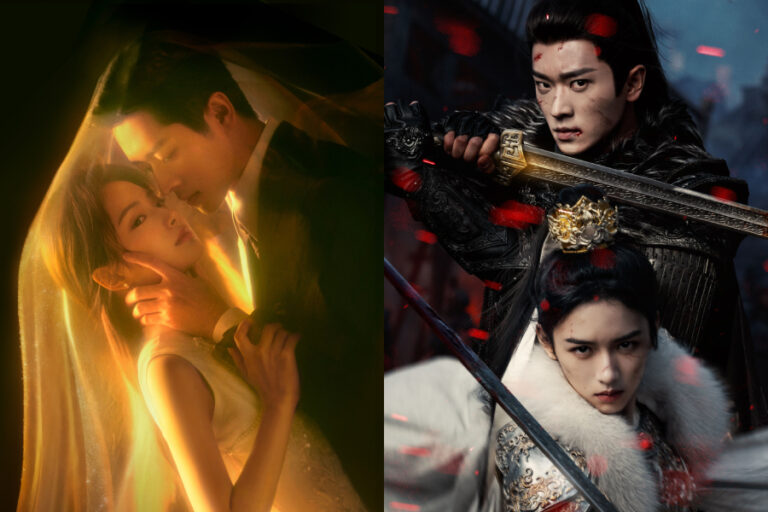
Five performances across different dramas reveal the depth that Cheng brings to roles where authority and vulnerability must coexist. His characters occupy positions of immense power, yet find themselves undone by forces they cannot control through force alone—typically, a woman who resists them.
Yu Chang Xuan: The Warlord Undone by Obsession
In his turn as Yu Chang Xuan, Cheng portrays a military officer serving as commander-in-chief of the Nine Corps. Chang Xuan operates from a position of near-invincibility in his professional sphere. He seeks out corruption, anticipates enemy tactics, and consistently outmaneuvers his rivals. He believes in fairness and justice, operating by a code rather than by whim.
His certainty crumbles the moment he develops feelings for Ye Ping Jun, an ordinary university student whose independence and intellect fascinate him as much as her appearance does. Ping Jun offers no encouragement. She makes her distaste abundantly clear. This rejection sends Chang Xuan into obsession. He becomes willing to destroy himself if it means having her, yet she remains uncertain about the man who intrigues and unsettles her in equal measure.
Cheng communicates all of this through restraint. His eyes betray Chang Xuan’s contradictions—cold and detached one moment, disarmingly vulnerable the next. Through nothing more than subtle shifts in his gaze and facial tension, he conveys the character’s internal torment. The restrained passion he brings to the role generated significant viewer response.
Xiao Jue: The Soldier Who Learns to See
A second military leader, Xiao Jue, gives Cheng the opportunity to play a man burdened by family legacy. Xiao Jue commands the Xiao Army with strict discipline and little warmth. He views himself as an instrument of action, not words. He pursues justice and the restoration of his family’s honor with single-minded determination. Nothing could deflect him from this course.
When He Yan arrives at his camp disguised as a male soldier, Xiao Jue’s suspicion proves warranted, yet his reaction surprises. He recognizes her combat and strategic capabilities and treats her as an equal. Once he discovers her true identity and falls in love with her, his demeanor transforms.
Cheng’s brooding intensity—his piercing stare, his sidelong glances—communicates Xiao Jue’s journey from suspicion to longing to devoted love. What begins as an emotionally inaccessible military leader becomes human through the lens of his attachment to He Yan. The actor’s ability to thaw his initially rigid performance creates the emotional foundation that audiences connect with.
The Fallen and the Broken
Mo Xiu Yao: Vulnerability Without Rank
A third character, Prince Mo Xiu Yao, requires a different register. Once celebrated as a war hero, he has fallen from grace following his brother’s alleged betrayal. He enters into marriage with Ye Li not out of choice but obligation, a union commanded by the Dowager Queen for her own political purposes. For Ye Li, the marriage represents a debt to be repaid and nothing more.
Living together transforms them both. They begin to perceive each other beyond the transaction that brought them together. Both carry wounds from their pasts, and both pursue private vengeance against those who wronged them. Their mistrustfulness wars with their growing connection as they coordinate their revenge schemes against the powerful figures who destroyed them.
Here, Cheng portrays vulnerability in a way that contrasts sharply with his commanders in other roles. Rather than projecting authority that must occasionally soften, Xiu Yao is fundamentally broken, and the actor must convey his raw pain and his resilience without the armor of military rank. His chemistry with co-star Bai Lu becomes essential, as the couple transforms from cynical strangers into partners capable of challenging the political elite.
The Strategist and the General
Gong Shang Jue: The Calculated Protector
As Gong Shang Jue, the second young master of the Gong family, Cheng inhabits yet another military strategist and skilled fighter. Shang Jue’s primary concern is protecting his family’s interests and position. He proves skeptical of his younger cousin, Gong Zi Yu, whom he regards as unfit to inherit the family’s leadership when the position unexpectedly falls to him. This skepticism creates tension between the two.
The arrival of an assassin posing as a prospective bride (Yun Wei Shan) introduces fresh complications. She develops feelings for Gong Zi Yu, the very cousin Shang Jue distrusts. Simultaneously, Shang Jue becomes entangled with Shang Guan Qian, a woman harboring secrets. As hidden identities, family rivalries, and competing loyalties collide, Shang Jue’s position within the family becomes increasingly precarious.
Cheng’s restrained yet commanding performance makes Shang Jue stand out. His piercing gaze, measured speech, and intimidating presence convey a man who rarely reveals his inner life. His chemistry with Lu Yu Xiao elevates their storyline, with the pairing becoming a scene-stealer that audiences embraced.
Xiao Han Sheng: The Deceived Husband
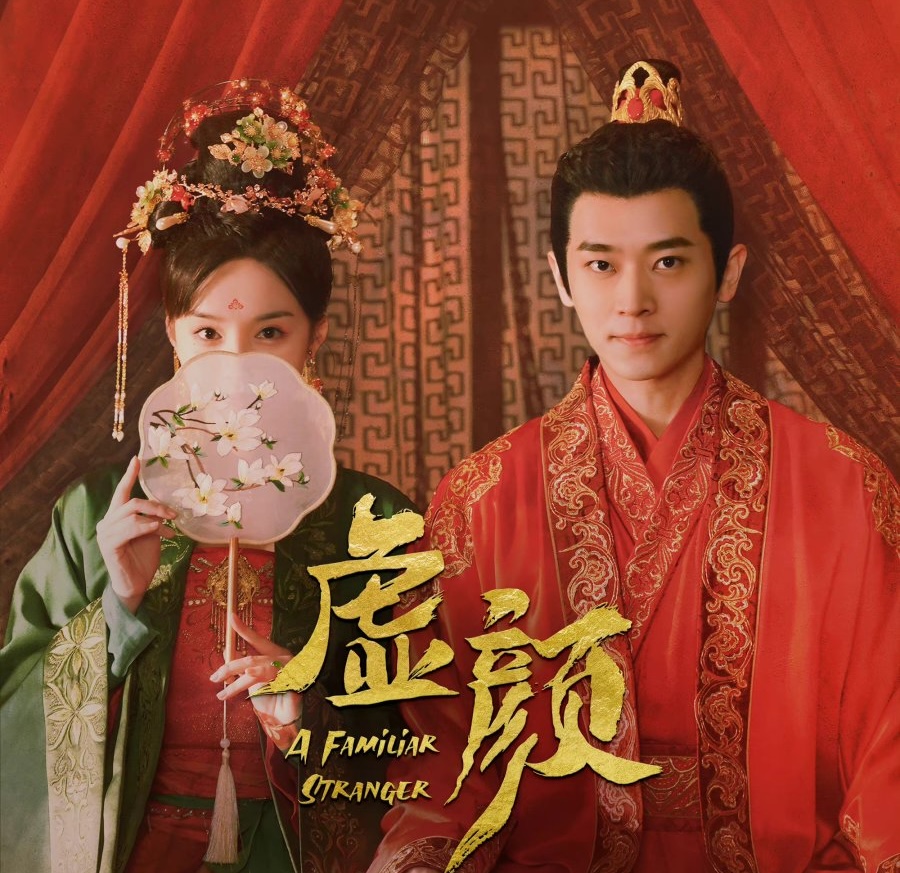
In his final featured role, Xiao Han Sheng is a powerful military general whose marriage introduces an element of supernatural intrigue. A young painter, Shi Qi, is forced into a face-swapping scheme that places her in the position of another woman’s bride. Han Sheng gradually realizes his new wife is not the woman he expected to marry, and from this confusion emerges a deeper emotional connection.
Cheng brings his customary restraint to a character caught between competing feelings and identities. The actor’s quieter, more vulnerable side emerges without sacrificing the authority his rank demands. His chemistry with co-star Ke Ying provides the romantic foundation that sustains the narrative as their couple navigates both the complications of their unconventional start and the twists that arise from the identity deception.
The Method Behind the Intensity
Across these five roles, a consistent approach defines Cheng’s work. He does not rely on grand gestures or theatrical delivery. His martial arts background informs his movement, but his true skill lies in the economy of his expressions. A sidelong glance, a particular tightness around his eyes, or the way he holds silence conveys emotional complexity that longer speeches might undermine.
His characters tend to share certain qualities: positions of power or responsibility, emotional restraint born from duty or trauma, and eventual vulnerability triggered by romantic attachment. The formula could grow repetitive in less capable hands, yet Cheng’s subtlety ensures each performance retains its distinct flavor. Whether playing a ruthless commander, a broken prince, or a general deceived by circumstance, he demonstrates the range that separates compelling television from forgettable entertainment.
Source: Soompi
Frequently Asked Questions
What is Ryan Cheng's acting approach in these five dramas?
Cheng avoids theatrical flourishes and exaggerated movements, instead relying on subtle shifts in his eyes and face to communicate emotions. His martial arts background informs his performance while maintaining restraint, allowing micro-expressions to convey emotional complexity.
What character types does Ryan Cheng portray across these dramas?
His roles include military commanders (Yu Chang Xuan and Xiao Jue), a fallen prince (Mo Xiu Yao), a family strategist (Gong Shang Jue), and a general in a face-swapping scheme (Xiao Han Sheng). They typically hold positions of power or responsibility.
What is a common theme in how Ryan Cheng's characters develop in these dramas?
His characters often begin as emotionally controlled authority figures whose restraint crumbles when they become romantically involved or experience personal crisis, creating vulnerability that contrasts with their professional power and rank.
