
Key takeaways
- Netflix's Mousetrap adapts a Korean folktale about a field mouse stealing someone's fingernail and identity into a modern thriller starring Ryu Jun Yeol.
- The drama explores how modern identity depends on external markers like appearance, ID cards, and digital records, making people vulnerable to identity theft.
- Director Kim Hong Sun grounds the story in reality, explaining that similar identity theft scenarios are already happening in modern society.
Netflix’s upcoming thriller series “Mousetrap” draws inspiration from a Korean folktale to explore the dangers of identity theft in the digital age. The webtoon-based drama centers on Moon Jae (Ryu Jun Yeol), a reclusive novelist who loses his name, identity, and fortune to a mysterious figure known only as “The Rat.”
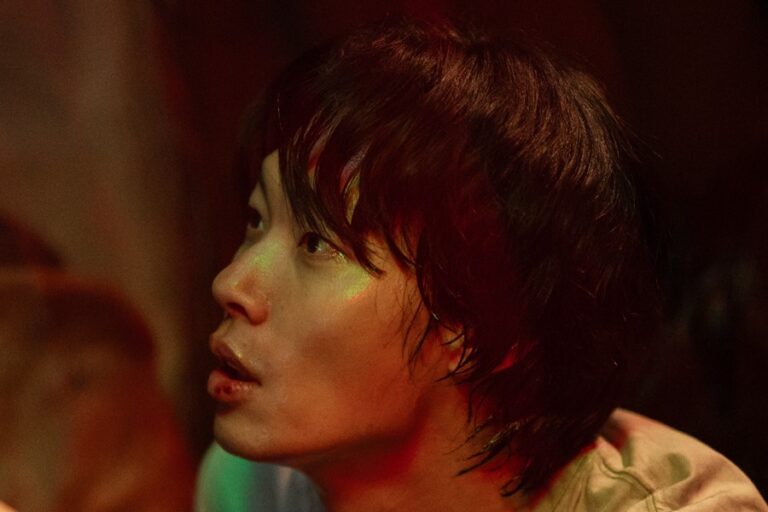
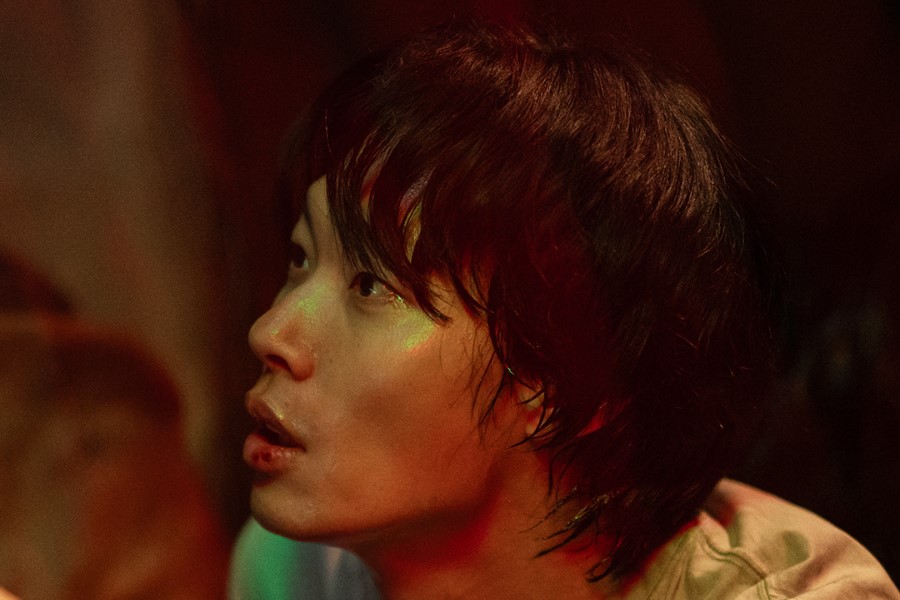
The ensemble cast brings depth to the narrative, with Sul Kyung Gu portraying Noja, a loan shark determined to recover missing money from Moon Jae, and Lee Kyu Hyung taking on the role of detective Sun Yong, whose investigation into The Rat’s identity becomes central to the narrative. New stills from the production showcase the characters and the folktale’s central premise in visual form, offering audiences a first glimpse into the drama’s tone and visual aesthetic.
The Folktale Foundation
The series draws its core concept from “The Field Mouse That Ate a Fingernail,” a traditional Korean folktale with roots in the country’s rich mythology. The tale describes a field mouse that consumes a person’s fingernail, then undergoes a transformation into an identical version of that individual, ultimately assuming their life and identity. This supernatural premise becomes the thematic anchor for “Mousetrap,” reframing the legend through a contemporary lens of identity theft and social manipulation rather than pure fantasy.
The production team’s decision to adapt this particular folktale demonstrates an understanding of how traditional storytelling can speak to modern anxieties. What once served as a cautionary tale about transformation and replacement in a pre-digital world now functions as a metaphor for the vulnerabilities of contemporary identity systems.
Visual Representation of the Legend
Newly released stills reflect this folktale connection, depicting Moon Jae and The Rat facing each other across a barbed-wire fence with identical faces but distinctly different auras, emphasizing the psychological and emotional distance between the original and his replacement. The visual contrast between the two figures, despite their physical similarity, communicates the drama’s central tension—that identity extends far beyond outward appearance.
A Mystery of Stolen Identity
The drama’s central plot follows Moon Jae’s struggle to prove who he really is after losing everything to The Rat. This premise resonates deeply with modern anxieties surrounding authentication, documentation, and social verification. As identity becomes increasingly tied to digital records, identification cards, and external markers, the question of how one proves authenticity becomes genuinely urgent.
The inclusion of Noja as a loan shark adds another layer to the conflict, introducing competing motivations and obligations that complicate Moon Jae’s attempts to reclaim his life. Moon Jae faces not only The Rat but also the financial pressures of an outstanding debt, creating a scenario where no single solution can resolve all of his problems simultaneously.
Multiple Perspectives on the Crime
Detective Sun Yong’s involvement introduces a procedural element to the narrative, creating tension between personal survival and official investigation. Rather than focusing solely on Moon Jae’s first-person perspective, “Mousetrap” examines the situation through multiple angles. A loan shark seeks financial recovery, a detective seeks to identify a criminal, and a victim seeks to reclaim his existence—these conflicting goals generate the drama’s primary narrative engine.
Why This Story Matters Now
Ryu Jun Yeol reflected on the series’ relevance to contemporary audiences, stating: “I thought that the reality of modern society, where we have no choice but to define ourselves through a few things—outward appearance, identification cards, and the things around us that prove who we are—is well reflected in ‘Mousetrap.’” His observation captures the peculiar vulnerability of modern identity, where the components of self have become fragmented and externalized.
On Identity and Authentication
His co-star Sul Kyung Gu emphasized the darker implications of social systems, saying: “There is something chilling about how easily a person can be socially erased when they are not authenticated within the notarization system. Being easily swayed by what is visible on the surface is a characteristic of modern society.” This comment highlights how institutions and systems that claim to protect identity can simultaneously enable its theft.
On Personal Data Security
Lee Kyu Hyung added another dimension to the conversation: “I got chills thinking that, because of the overwhelming amount of personal information out there, someone could take my life away from me if they really set their mind to it.” The proliferation of personal data—stored across banks, government agencies, social media platforms, and countless databases—creates an expanded target surface for identity theft.
Director Kim Hong Sun’s Vision
Director Kim Hong Sun grounded the series in contemporary reality, explaining: “Similar things are already happening, and as more people are living alone, I think this is something that could realistically happen.” This statement underscores that “Mousetrap” is not merely speculative fiction but a plausible extrapolation of current social and technological vulnerabilities. The increasing prevalence of solitary living arrangements removes traditional safety nets—family members who know you, friends who can vouch for your identity—that once provided informal protection against such schemes.
The combination of the folktale’s fantastical premise and the director’s commitment to realism creates a hybrid narrative—one that honors the mythological tradition while addressing genuine modern concerns about privacy, authentication, and social survival. By rooting the fantastic in the probable, “Mousetrap” transforms folklore into a contemporary warning.
Frequently Asked Questions
What is the plot of Netflix's Mousetrap?
Moon Jae (Ryu Jun Yeol), a reclusive novelist, loses his name, identity, and fortune to a mysterious man known as The Rat. A loan shark named Noja (Sul Kyung Gu) seeks to recover missing money, while detective Sun Yong (Lee Kyu Hyung) investigates The Rat's identity.
What Korean folktale inspired the series?
The drama is based on "The Field Mouse That Ate a Fingernail," a traditional Korean folktale about a field mouse that consumes a person's fingernail, transforms into an identical version of that person, and takes over their life.
Why do the cast members believe this story is relevant today?
The actors note that modern identity depends on external authentication systems—appearance, identification cards, digital records—making people increasingly vulnerable to sophisticated identity theft, especially those living alone.
