
Key takeaways
- Reply 1988's unexpected ending fractured viewers into Team Taek and Team Jung Hwan factions, sparking debates that continue years later.
- It's Okay to Not Be Okay finds bittersweet hope through the unlikely friendship between an economically struggling woman and her emotional guide.
- The Red Sleeve and Youth of May use historical context to make romantic tragedy feel inevitable and unbearable.
- Moon Lovers: Scarlet Heart Ryeo achieved international acclaim for its tragic love story between a time-displaced woman and a duty-bound prince.
The emotional aftermath of finishing a K-drama extends far beyond the screen. Some narratives burrow so deeply into viewers’ hearts that days pass before the ache subsides—or for devoted fans, years. These five dramas are notorious for leaving audiences emotionally depleted, their conclusions and character arcs serving as the catalyst for extended periods of contemplation and processing.
Reply 1988: A Neighborhood, Five Friends, and Impossible Choices
Unfolding in a Seoul neighborhood during the late 1980s, this series centers on five childhood companions navigating adolescence, academic pressure, and first love simultaneously. Lee Hye Ri embodies Deok Sun, processing family complications alongside her own romantic uncertainties. Ryu Jun Yeol’s Jung Hwan carries quiet intensity. Ko Kyung Pyo’s Sun Woo, Lee Dong Hwi’s Dong Ryong, and Park Bo Gum’s Taek complete the core group, each contributing distinct emotional wavelengths to their collective story. The narrative’s strength lies in its specificity—these characters feel like neighbors rather than constructs, their struggles grounded in the decade and geography they inhabit.
The Finale’s Shock Wave
The series deliberately deferred its central romantic resolution until the final episode, inviting viewers to theorize about which character would emerge victorious in the romantic subplot. When the answer arrived, it fractured the audience into opposing camps. Supporters of Jung Hwan experienced acute devastation, while the reveal itself became a source of passionate online debate that dominated discussion boards. The ending’s unexpectedness didn’t generate mild disagreement—it provoked genuine anguish among viewers who had invested in alternative outcomes. This divisive response remains part of the drama’s legacy.
It’s Okay to Not Be Okay: Economic Struggle and Unexpected Salvation
IU portrays Lee Ji An, a woman juggling multiple part-time jobs while maintaining care for her grandmother, whose declining health requires constant attention. Her circumstances offer minimal reason for optimism. Each day demands physical and emotional labor, with few signs of improvement or escape. The narrative refuses to minimize this exhaustion or pretend struggle is ennobling.
Meeting Park Dong Hoon
Lee Sun Kyun’s Park Dong Hoon disrupts Ji An’s isolated existence. Rather than rescuing her through grand gestures, he offers steady presence and intellectual companionship. Gradually, he becomes philosophical guide and emotional support system. Through their friendship, Ji An’s perception of her circumstances shifts—not through denial or escape, but through genuine recognition that beauty and pain coexist in human experience. The ending resists easy resolution, instead offering bittersweet acknowledgment. Viewers complete this drama with a specific emotional residue, one that mirrors how actual life operates.
The Red Sleeve: History Written in Heartbreak
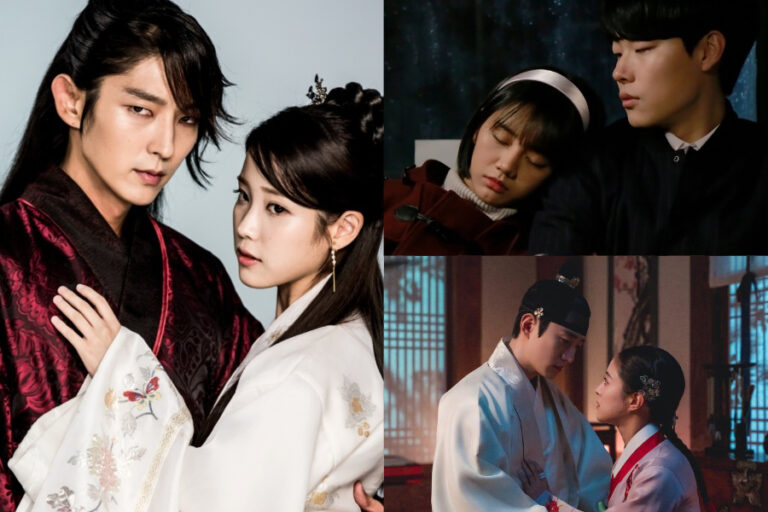
Based loosely on genuine historical events, this period drama recounts forbidden romance between Yi San, who would become King Jeongjo, and Seong Deok Im, a court attendant from lower social rank. Lee Jun Ho portrays the ruler caught between personal desire and dynastic obligation. Lee Se Young brings nuance to a character whose station restricts her options despite her inherent capability.
Stolen Moments
Their connection generates genuine tenderness in scenes that feel contraband—romance conducted away from public observation. The chemistry between leads transforms their relationship into something viewers become deeply invested in preserving. Yet this very investment guarantees emotional devastation, since historical fact dictates their outcome. The drama knowingly manipulates this knowledge, building romantic moments that acquire additional poignancy because they’re inevitably temporary.
The Mastery in the Tragedy
Both actors deliver performances of considerable emotional depth, transforming historically inevitable conclusions into freshly painful experiences. Their commitment to the material ensures the predetermined ending lands with full force. Viewers finish carrying not just romantic disappointment but recognition of how history itself can be tragic.
Youth of May: Revolution Encroaching on Romance
Positioning a love story against the Gwangju Uprising of May 1980 ensures personal narrative remains secondary to historical trauma. Lee Do Hyun’s Hwang Hee Tae, a medical student, encounters Kim Myung Hee, a nurse portrayed by Go Min Si, during a period when student resistance against government corruption reached violent crescendo. That historical context immediately establishes that their romance unfolds in shadow.
Connection Before Catastrophe
Their relationship develops with genuine warmth and vulnerability. The performances create authentic intimacy—two people discovering tenderness despite surrounding danger. This authenticity makes the subsequent tragedy cut deeper than generic sadness. Viewers become entirely emotionally committed to these characters’ survival and happiness.
When Love Cannot Survive History
The Gwangju period’s historical record ensures viewers approach each scene with dread. The drama deliberately emphasizes this knowledge, converting every romantic moment into something tinged with awareness of impending loss. This drama delivers among the most anguishing conclusions in the medium, one that combines political tragedy with personal heartbreak into something almost unbearable.
Moon Lovers: Scarlet Heart Ryeo—Impossible Love Across Time
When Go Ha Jin finds herself transported to the Goryeo era and reborn as Hae Soo, IU’s character becomes an outsider navigating royal intrigues and romantic entanglements. She initially falls for the eighth prince, portrayed by Kang Ha Neul, but experiences heartbreak before her affection shifts to Wang So, played by Lee Joon Gi. The supernatural premise permits exploring epic romance, but the drama’s true power derives from their tragic love story.
The international reach this drama achieved—far exceeding typical K-drama viewership patterns—suggests its central tragedy resonated across cultural boundaries. The core conflict revolves around Wang So’s obligation to nation and throne against his personal desire for happiness with Hae Soo. His ultimate choice to prioritize duty leaves her devastated. Lee Joon Gi’s performance carries such emotional intensity that their heartbreak becomes visceral for observers. Fans continue discussing this romance as one of the most profound tragedies in K-drama history, years after broadcast ended, a testament to its sustained emotional power.
Frequently Asked Questions
Why is Reply 1988 particularly divisive among fans?
The drama's unexpected ending introduced a romantic revelation that disappointed supporters of one character, dividing viewers into passionate opposing factions known as Team Taek and Team Jung Hwan.
What makes Youth of May's ending so tragic?
The drama positions a budding romance against the historical backdrop of the Gwangju Uprising of May 1980, ensuring the love story unfolds in the shadow of political violence that viewers know will define the outcome.
Which drama achieved significant international viewership and why?
Moon Lovers: Scarlet Heart Ryeo reached audiences far beyond typical K-drama viewership patterns, with its tragic love story between Hae Soo and Wang So resonating across cultural boundaries through the central conflict of duty versus personal happiness.
