
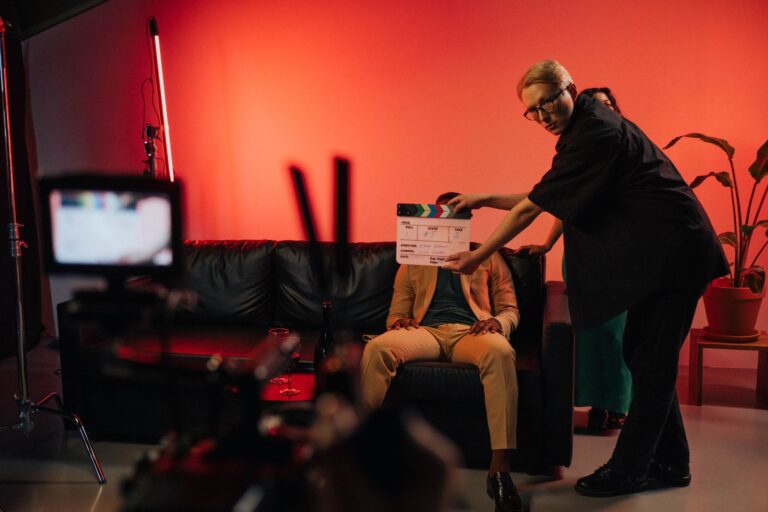
Key takeaways
- Cinematography, the art of capturing images through camera work and lighting, serves as the director’s primary tool for visual expression in Korean dramas.
- The director determines the rhythm of a series through editing choices—decisions about how long shots remain on screen, when cuts occur, and how sequences transition from one scene to the next.
- The role and influence of K-drama directors has expanded significantly since the medium’s emergence as a major cultural force in the early 2000s.
- While cinematography captures images, the director’s vision extends to what appears within those images—production design, costume, and set decoration all fall under directorial purview.
The director of a Korean drama wields influence far beyond simply calling “action” and “cut”—they establish the visual language, emotional tone, and narrative rhythm that define how millions of viewers experience a story. From the color palette of each frame to the pacing of dialogue and the choreography of camera movements, directorial choices accumulate to create the distinctive identity that separates one series from another. Understanding how K-Drama directors shape their productions reveals the deliberate artistry behind some of Asia’s most compelling television.
Visual Storytelling Through Cinematography and Color Grading
Cinematography, the art of capturing images through camera work and lighting, serves as the director’s primary tool for visual expression in Korean dramas. Directors collaborate closely with cinematographers—also called directors of photography—to determine how scenes are framed, lit, and composed. These technical decisions communicate character emotion, establish atmosphere, and guide viewer attention without a single line of dialogue. A director might choose tight close-ups during moments of vulnerability to intensify intimacy, or employ wide establishing shots to emphasize isolation or grandeur.
Color grading, the process of adjusting and enhancing the color of footage during post-production, has become increasingly central to directorial vision in modern K-Dramas. Director Lee Jae-kyoo, who helmed the 2016 series “Descendants of the Sun,” employed warm, saturated tones in romantic scenes and cooler, desaturated palettes during tense military sequences, creating visual contrast that reinforced the emotional beats of the narrative.
Pacing, Editing, and Rhythm as Directorial Fingerprints
The director determines the rhythm of a series through editing choices—decisions about how long shots remain on screen, when cuts occur, and how sequences transition from one scene to the next. Editing pace directly influences whether a drama feels contemplative or propulsive, whether viewers experience tension or calm. Rapid cuts and shorter shot lengths accelerate perceived action and emotional intensity, while longer takes and deliberate transitions create space for character development and introspection. These rhythmic choices accumulate across an entire series to establish its signature pace.
Director Ahn Pan-seok, known for intimate character studies like “Memories of Murder” (2003) and later dramas such as “Tunnel” (2016), favors longer takes and measured editing rhythms that allow actors space to inhabit their characters psychologically. His approach contrasts sharply with directors who employ rapid-fire editing to propel action-heavy narratives forward, demonstrating how editing philosophy becomes inseparable from a director’s artistic identity.
Camera Movement and Spatial Composition
The movement of the camera itself—whether it remains static, pans across a scene, follows a character’s movement, or employs more complex techniques like crane shots or tracking shots—constitutes a sophisticated language that directors use to shape narrative meaning. Static cameras create formal distance and observation, while dynamic camera movement immerses viewers in character perspective and action. Directors establish spatial relationships between characters through composition, the arrangement of elements within the frame, to visualize emotional proximity, power dynamics, or social hierarchies without exposition.
Director Kim Won-seok, who directed “Itaewon Class” (2020), frequently employed handheld camera work and unstable framing during scenes of conflict and emotional turmoil, creating visual unease that mirrored character psychology. This contrasted with more composed, stable framing in quieter moments, allowing camera technique itself to communicate narrative tension.
Evolution of Directorial Approaches in Korean Television
The role and influence of K-drama directors has expanded significantly since the medium’s emergence as a major cultural force in the early 2000s. Early Korean dramas, constrained by tighter production schedules and smaller budgets, often relied on conventional framing and straightforward editing. As the industry professionalized and international demand grew, directors gained greater creative latitude and larger budgets to execute ambitious visual concepts. The shift from live broadcast to pre-recorded production, completed before airing, allowed directors more control over editing and post-production refinement.
Director Lee Byung-hun’s work on “Boys Over Flowers” (2009) exemplified the visual sophistication that emerged during this period, employing stylized cinematography and romantic color grading that influenced an entire generation of subsequent dramas. More recently, directors have increasingly adopted techniques from cinema, incorporating complex camera choreography and cinematic lighting that was previously considered excessive for television production.
Collaboration With Production Design and Costume
While cinematography captures images, the director’s vision extends to what appears within those images—production design, costume, and set decoration all fall under directorial purview. Directors work with production designers to establish the visual world, selecting color schemes, architectural styles, and spatial layouts that reinforce thematic content. Costume choices, made in collaboration with costume designers, communicate character status, personality, and emotional state. These design elements must cohere with cinematographic choices to create unified visual worlds.
Director Jang Tae-yoo, who directed “My Love from the Star” (2013), coordinated meticulous costume and set design choices to emphasize the temporal displacement of his protagonist—a man from the Joseon dynasty transported to contemporary Seoul. The contrast between modern costume and set design in present-day sequences and Historical costume in flashback scenes reinforced the narrative’s central conflict through purely visual means.
Performance Direction and Actor Guidance
Directors shape the emotional tone of performances through how they guide actors in interpreting scenes, determining whether portrayals emphasize subtlety or expressiveness, restraint or theatrical display. The director establishes the overall emotional register of the series through accumulated performance choices. Some directors encourage naturalistic, understated acting that relies on micro-expressions and body language, while others embrace broader emotional expression and vocal inflection. These directorial preferences create consistency in how characters behave and communicate throughout a series.
Director Lee Jae-kyoo is recognized for extracting emotionally nuanced performances from actors through detailed scene work and multiple takes, encouraging performers to explore psychological depth rather than relying on surface-level emotional expression. This approach to performance direction becomes embedded in how viewers experience the entire drama, affecting whether they perceive characters as psychologically complex or archetypal.
Sound Design and Audio Landscape
The director’s influence extends into the audio realm through collaboration with sound designers and composers on the sonic landscape of the drama. Decisions about music—whether scenes employ orchestral scores, contemporary songs, or ambient sound—significantly impact emotional response. Directors determine the volume and presence of diegetic sound, audio that originates from within the story world like dialogue or environmental noise, versus non-diegetic sound like musical scores. The spatial audio design, how sound appears to come from different locations within scenes, creates immersive storytelling.
Directors working on romantic comedies often employ lighter, playful musical scores and prominent use of contemporary popular music to establish genre conventions and emotional tone. In contrast, directors of Thriller or crime dramas typically favor minimalist scores and naturalistic sound design that create tension through absence rather than musical cues.
Frequently Asked Questions
How much creative control does a K-drama director actually have?
K-drama directors maintain substantial creative control over visual elements including cinematography, editing, and performance direction, though they operate within constraints established by producers, networks, and budgets. Directors typically have final say on creative choices within pre-approved parameters, and their vision shapes the series more directly than in some other television production models.
Can you identify a director’s style by watching their dramas?
Experienced viewers can recognize directorial signatures through consistent choices in camera movement, editing rhythm, color grading, and performance direction. Directors often work repeatedly with the same cinematographers and production designers, creating recognizable visual aesthetics across multiple projects that function as artistic fingerprints.
Do different directors work on different episodes of the same drama?
Many K-dramas employ multiple directors, with different episodes or sequences helmed by different directors who work from the same script and production design. However, high-profile dramas increasingly feature single directors across entire series to maintain visual and tonal consistency, though this remains more common in cinema than television production.
The director’s role in shaping a K-drama extends through every sensory dimension of the viewing experience, from the color of light falling on an actor’s face to the rhythm of edits that guide emotional response. These accumulated directorial choices—visible and invisible—transform written scripts into the distinctive visual and emotional worlds that audiences recognize and remember long after watching.
