
Key takeaways
- The appointment represents a deliberate effort by Seoul to bridge pop culture and global heritage diplomacy, leveraging G-Dragon’s unparalleled influence across music, fashion, and youth culture worldwide.
- G-Dragon’s elevation to UNESCO ambassador status builds on a trajectory of increasing recognition for his contributions to Korean culture.
- G-Dragon’s appointment reflects his evolution from chart-topping artist to statesman-level cultural figure.
- The 48th UNESCO World Heritage Committee session takes place July 19–29, 2026, in Busan, with G-Dragon expected to serve as the public face of South Korea’s hosting efforts throughout the event.
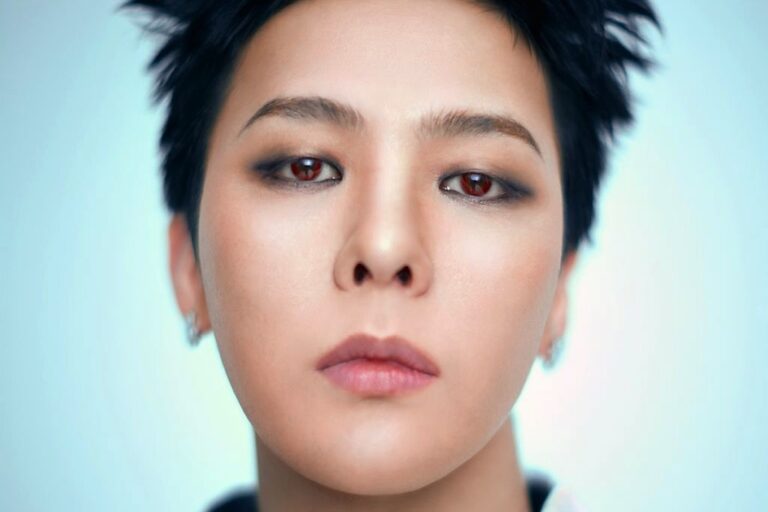
G-Dragon, the 38-year-old former member of BIGBANG whose real name is Kwon Ji-yong, has been officially appointed as the honorary ambassador for the 48th Session of the UNESCO World Heritage Committee, the Korea Heritage Service announced on Tuesday, July 2, 2026. The appointment launches the “Heritage in Peace” initiative as South Korea prepares to host the prestigious international gathering for the first time, running July 19–29, 2026, in Busan. The Korea Heritage Service recognized G-Dragon as “a world-class cultural icon who embodies innovation and creativity, making him the ideal ambassador” for the historic event.
A Strategic Cultural Diplomacy Move
The appointment represents a deliberate effort by Seoul to bridge pop culture and global heritage diplomacy, leveraging G-Dragon’s unparalleled influence across music, fashion, and youth culture worldwide. The Korea Heritage Service formalized this partnership through a memorandum of understanding signed on Thursday, April 24, 2026, at the National Palace Museum of Korea with the Just Peace Foundation, a philanthropic organization launched in 2024 and funded partly by G-Dragon’s copyright donations. This collaboration aims to coordinate the hosting of the 48th UNESCO World Heritage Committee session and amplify the event’s cultural resonance globally.
The timing of the appointment underscores South Korea’s commitment to positioning itself as a leader in cultural preservation while simultaneously showcasing its soft power through K-pop diplomacy. By selecting G-Dragon—a figure whose career has fundamentally shaped global perceptions of Korean music and style—the Korea Heritage Service signals that heritage protection and contemporary pop culture are complementary forces in advancing national interests on the world stage.
Credentials and Recognition
G-Dragon’s elevation to UNESCO ambassador status builds on a trajectory of increasing recognition for his contributions to Korean culture. In 2025, he became the youngest recipient and first idol to receive the Okgwan Order, the 4th grade Order of Cultural Merit, Awarded by South Korea’s Ministry of Culture, Sports and Tourism. The honor explicitly recognized his role in expanding the value of Korea’s pop culture worldwide and positioned him as a legitimate voice in conversations about cultural diplomacy and heritage.
This precedent was further established when G-Dragon served as honorary ambassador for the 2025 APEC Summit in Gyeongju, appointed in 2024 in recognition of his status as a global cultural icon. His involvement in international diplomatic events demonstrates a growing pattern of Seoul tapping into his influence to advance national objectives on the international stage. The UNESCO appointment therefore represents not an anomaly but rather a natural continuation of his expanding role in cultural and diplomatic spheres.
The Just Peace Foundation’s Humanitarian Mission
Central to G-Dragon’s ambassador role is the Just Peace Foundation’s stated mission to promote education for girls in developing countries, with part of the proceeds from the Korea Heritage Service partnership supporting this cause. This humanitarian dimension aligns G-Dragon’s ambassadorship with UNESCO’s core commitment to youth and education, adding substantive weight beyond ceremonial symbolism. The foundation’s work demonstrates that the partnership serves dual purposes: advancing heritage conservation while simultaneously supporting vulnerable populations globally.
The integration of philanthropic objectives into the UNESCO ambassadorship reflects a broader understanding that cultural diplomacy operates most effectively when paired with tangible social impact. By anchoring his role in educational and humanitarian work, G-Dragon positions heritage protection as inseparable from human development—a message that resonates with UNESCO’s foundational mandate to preserve cultural sites for the benefit of all humanity.
Leadership and Institutional Framework
Former Korean Ambassador to UNESCO Lee Byong-hyun was elected Chairperson of the 48th session during the 20th Special Session at UNESCO headquarters in Paris on Tuesday, establishing the institutional leadership structure for the Busan gathering. Lee’s election ensures that South Korean diplomatic expertise will guide the committee’s deliberations on new World Heritage nominations and the conservation status of already-inscribed sites. This pairing of experienced institutional leadership with G-Dragon’s cultural ambassadorship creates a complementary framework balancing diplomatic protocol with public engagement.
The 48th UNESCO World Heritage Committee session will examine new nominations for inclusion on the World Heritage List and assess the conservation status of inscribed sites—work that demands both technical expertise and public awareness. G-Dragon’s ambassador role addresses the latter requirement by helping raise global consciousness about the importance of heritage protection and the decisions the committee will make during the July session.
G-Dragon’s Evolution as Cultural Ambassador
G-Dragon’s appointment reflects his evolution from chart-topping artist to statesman-level cultural figure. As a singer-rapper and former BIGBANG member, he has been widely recognized for his influence on youth culture, fashion, and music since his emergence in the early 2000s. His aesthetic innovations and musical experimentation established him as a trendsetter whose impact extended far beyond the music industry into global fashion, visual art, and youth identity formation. The UNESCO ambassadorship acknowledges that this cultural influence now operates at the level of international institutional diplomacy.
The appointment also signals a shift in how South Korea conceptualizes cultural diplomacy in the 21st century. Rather than limiting heritage ambassadorial roles to academics, diplomats, or government officials, Seoul recognized that a figure with G-Dragon’s global reach and credibility among younger audiences could effectively communicate heritage preservation messages to demographics traditionally underrepresented in UNESCO discourse.
Key Dates and Developments to Monitor
The 48th UNESCO World Heritage Committee session takes place July 19–29, 2026, in Busan, with G-Dragon expected to serve as the public face of South Korea’s hosting efforts throughout the event. Observers should track G-Dragon’s specific activities and statements during the session, including public appearances, speeches, and engagement with international delegates and media. The Korea Heritage Service and Just Peace Foundation partnership will likely generate additional announcements regarding educational initiatives and humanitarian projects tied to the ambassadorship in the months leading up to the July session.
G-Dragon’s appointment as UNESCO World Heritage Ambassador represents a pivotal moment in how pop culture figures engage with global institutional frameworks. The decision validates K-pop’s role in advancing national interests while demonstrating that cultural influence, when paired with genuine humanitarian commitment and institutional support, can meaningfully contribute to international efforts to preserve human heritage for future generations.
