
Key takeaways
- Korean military dramas emerged from the nation’s unique historical position as a country divided by the Korean War (1950–1953) and shaped by decades of military service requirements for male citizens.
- Productions focused on historical wars employ extensive research protocols, consulting military historians, veterans, and archival materials to ensure narrative accuracy.
- A distinct subcategory within the genre focuses on modern military life and the experiences of contemporary soldiers navigating institutional hierarchies, interpersonal conflicts, and the psychological demands of service.
- The genre expanded significantly from the mid-2000s onward, moving beyond simple action-oriented narratives to encompass complex historical reconstruction and psychological depth.
Korean military and war dramas represent one of the most compelling and Historically grounded genres in the K-Drama landscape, drawing audiences worldwide through their unflinching examination of conflict, duty, and human resilience. These productions tackle significant Historical events—from the Korean War to contemporary military service—while exploring the personal costs of warfare on soldiers, families, and civilians. The genre has evolved considerably over the past two decades, establishing itself as a vehicle for both historical documentation and intimate character study.
The Foundation of Korean Military Storytelling
Korean military dramas emerged from the nation’s unique historical position as a country divided by the Korean War (1950–1953) and shaped by decades of military service requirements for male citizens. The genre gained momentum in the early 2000s as production companies recognized the dramatic potential in stories that resonated deeply with Korean audiences who had lived through military transitions or had family members serving in the armed forces. These dramas serve a dual purpose: they entertain viewers while simultaneously processing collective national trauma and honoring sacrifices made during wartime.
The Korean War remains the most frequently depicted conflict in the genre, with its 70 million casualties and three-year duration providing extensive material for narrative exploration. Military service itself—mandatory for all able-bodied South Korean men between ages 18 and 28—creates a universal touchstone that makes these stories relevant across demographic lines within Korea.
Historical War Dramas and Their Authenticity
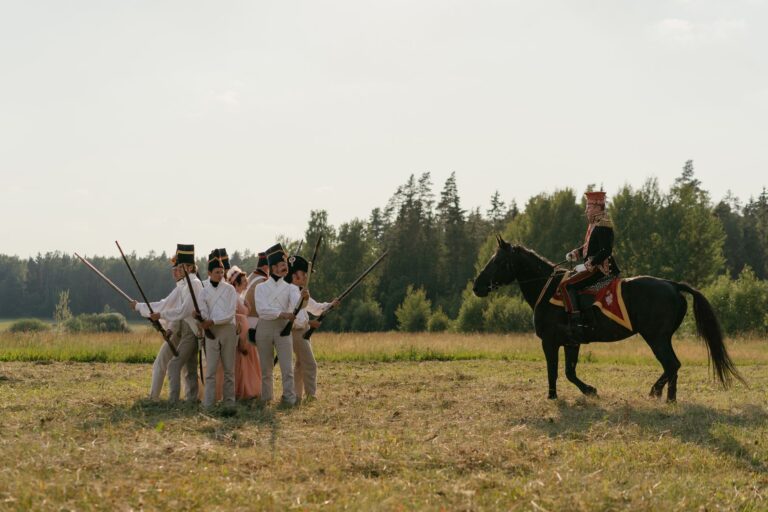
Productions focused on historical wars employ extensive research protocols, consulting military historians, veterans, and archival materials to ensure narrative accuracy. These dramas reconstruct battlefield conditions, military strategy, and period-appropriate dialogue to transport viewers into specific historical moments. The authenticity extends to costume design, weaponry, and set construction, with production teams often filming on location at actual historical sites or recreating them with meticulous detail.
“Mr. Sunshine” (2018) exemplified this approach by dramatizing the 1905–1910 period of Japanese occupation in Korea, incorporating real historical figures like independence activist Ahn Jung-geun and depicting the actual resistance movements that shaped Korean independence. The series employed 400 cast members and filmed across multiple countries to authentically represent the geopolitical tensions and military conflicts of that era.
Contemporary Military Service Narratives
A distinct subcategory within the genre focuses on modern military life and the experiences of contemporary soldiers navigating institutional hierarchies, interpersonal conflicts, and the psychological demands of service. These dramas often blur the line between military procedural and character-driven narrative, using the armed forces setting as a framework for exploring themes of masculinity, camaraderie, and personal transformation. The genre addresses hazing, discipline systems, and the emotional toll of mandatory service on young men transitioning to adulthood.
“D.P.” (2021–present) represents a significant evolution in this subgenre, following military police officers investigating desertion cases while examining the systemic issues driving soldiers to abandon their posts. The series presented unflinching depictions of military abuse and mental health crises, generating substantial public discourse about reforms needed within the South Korean military structure.
Evolution and Cultural Impact Over Two Decades
The genre expanded significantly from the mid-2000s onward, moving beyond simple action-oriented narratives to encompass complex historical reconstruction and psychological depth. Early dramas like “MASH 4077” adaptations gave way to sophisticated productions that integrated multiple narrative perspectives, including those of civilians caught in conflict zones. Production budgets increased substantially, enabling international filming locations and advanced visual effects that authentically rendered historical battles.
“Descendants of the Sun” (2016) marked a watershed moment by achieving global viewership through its combination of military Romance and humanitarian crisis narrative, set in a fictional war-torn nation. The drama grossed over $70 million in merchandise sales and demonstrated the international commercial viability of Korean military storytelling, leading streaming platforms to invest heavily in the genre.
Frequently Asked Questions
What historical periods do Korean military dramas most frequently explore?
Korean military dramas primarily focus on the Korean War era (1950–1953), the Japanese occupation period (1910–1945), and contemporary modern military service. The Korean War receives the most dramatic attention due to its recent historical proximity and ongoing national relevance, while occupation-period dramas explore themes of resistance and national identity.
How do these dramas handle depicting violence and warfare?
Most Korean military dramas employ realistic but carefully calibrated depictions of combat, balancing historical authenticity with viewer sensitivity. Production teams typically consult with veterans and military consultants to ensure tactical accuracy while using cinematography techniques like editing and sound design to convey the psychological experience of warfare rather than gratuitous violence.
Do these dramas require military knowledge to understand and enjoy?
Military dramas are designed for general audiences without specialized military knowledge, as they prioritize character development and emotional resonance over technical military detail. Production teams embed necessary military terminology and procedures within dialogue naturally, allowing viewers to absorb information organically through the narrative.
War and military K-Dramas function as both historical documents and intimate character studies, processing national trauma while entertaining audiences through compelling storytelling. The genre’s evolution reflects broader changes in Korean society’s relationship with military service and historical memory, establishing itself as a significant cultural force that extends far beyond Korea’s borders.
