
Key takeaways
- The “Visual” position in K-Pop groups serves a strategic function identical to lead casting in K-dramas: establishing the face that represents the entire brand and attracts mainstream audiences.
- Two additional tropes dominate K-drama romance structures: the “Hate to Love” dynamic and the “Sudden Amnesia” plot device.
- Top K-Pop idols have increasingly proven themselves as legitimate K-drama actors, with IU (Lee Ji-eun) and Cha Eun-woo (Astro) leading this crossover movement.
- K-drama romance tropes have crystallized over more than twenty years of serialized storytelling, with each decade introducing variations on core emotional conflicts.
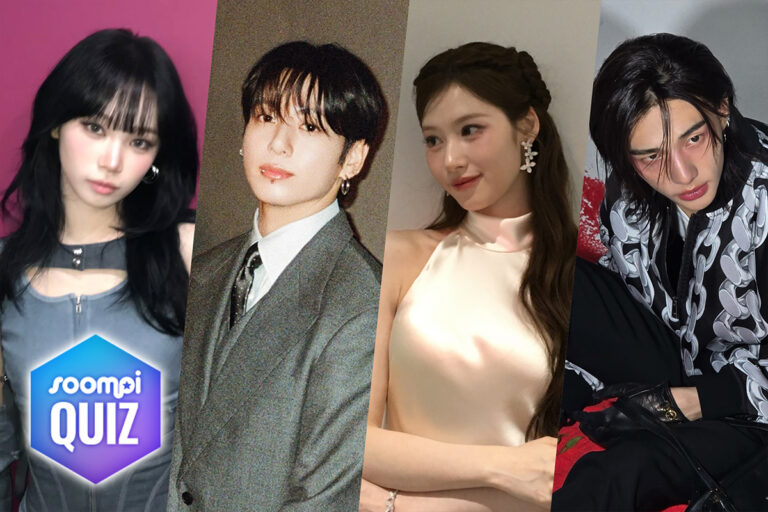
K-Pop visuals—the members designated as the “Face of the Group” for their alignment with Korean beauty standards—embody the same archetypal character dynamics that dominate K-Drama storytelling, creating a direct bridge between idol culture and Romance narratives. A new interactive quiz matching K-Pop’s most iconic visuals to classic K-Drama Romance tropes reveals how deeply interconnected these two entertainment pillars have become. The quiz connects members like Onew (SHINee), Irene (Red Velvet), Bangchan (Stray Kids), Shownu (Monsta X), Yeji (ITZY), Karina (Aespa), and Jihyo (Twice) to the romance archetypes that have shaped Korean television for decades.
The Visual-to-Trope Connection: How K-Pop Faces Mirror Drama Characters
The “Visual” position in K-Pop groups serves a strategic function identical to lead casting in K-dramas: establishing the face that represents the entire brand and attracts mainstream audiences. These designated visuals frequently transition into drama projects, commercials, and variety shows precisely because their appearance aligns with the character types that dominate Korean storytelling. The quiz leverages this reality by pairing specific visuals with the romance tropes they most embody, whether through their public personas, previous acting roles, or the narrative energy they project.
K-drama romance tropes have evolved into a recognizable taxonomy over the past two decades, with certain character archetypes appearing repeatedly across hits and cult favorites alike. The “Sweet Girl and Grumpy Boy” trope, for instance, appears in dramas including “I Can Hear Your Voice,” “Good Doctor,” and “Flower Boy Next Door,” establishing a cold, distant male lead who gradually softens for the female protagonist. Meanwhile, the “Friends or Enemies Turned Lovers” dynamic anchors the “Answer Me” series and “Romance Is a Bonus Book,” creating emotional payoff through the realization of feelings after prolonged friendship or conflict.
From “Full House” to “Lovely Runner”: The Celebrity Romance Evolution
The celebrity romance narrative has become foundational to K-drama structure, with “Full House” (2004, KBS2) establishing the template that countless dramas have followed: a famous star—often an idol or actor—falls for an ordinary person, creating tension between their public worlds and private emotions. This 2004 landmark drama shaped the “Celebrity Romance” trope for years, demonstrating that audiences connected deeply with stories exploring what it means to love someone in the spotlight.
The 2024 release of “Lovely Runner” (tvN) modernized this framework by centering on a famous idol played by Byeon Woo-seok and an ordinary person, delivering an emotionally resonant take on loving a star from the perspective of someone outside the industry. “Lovely Runner” demonstrates how the “Idol as Main Character” trope continues to draw established viewership while exploring the weight of fame on romantic relationships. These dramas reveal that K-Pop visuals and K-drama leads operate within the same narrative universe, where appearance, fame, and romantic vulnerability intersect.
The “Hate to Love” and Amnesia Mechanics: Plot Devices That Define the Genre
Two additional tropes dominate K-drama romance structures: the “Hate to Love” dynamic and the “Sudden Amnesia” plot device. The “Hate to Love” trope, featured in dramas like “Sassy Go Go,” “Full House,” and “Boys Over Flowers,” forces two people starting as enemies to live together—either voluntarily or due to circumstance—until genuine feelings emerge. This trope frequently pairs with “Contract Dating,” where characters pretend to be in love, only to discover authentic emotion beneath the performance.
“Sudden Amnesia” functions as a classic K-drama plot device that injects suspense and tension into love stories, often involving terminal illness or vehicle accidents that strip a character of their memories. These mechanical interventions create dramatic obstacles that test whether romantic bonds can survive external trauma. The quiz’s connection between K-Pop visuals and these tropes suggests that the visual identity of an idol—their perceived coldness, warmth, accessibility, or distance—predicts which narrative archetype they most naturally inhabit.
K-Pop Idols Transitioning to Acting: The IU and Cha Eun-woo Model
Top K-Pop idols have increasingly proven themselves as legitimate K-drama actors, with IU (Lee Ji-eun) and Cha Eun-woo (Astro) leading this crossover movement. These performers bring their established fanbases directly into acting roles, infusing television productions with another layer of cultural currency and viewer investment. IU’s network includes prestigious broadcasters tvN and KBS2, positioning her within the same ecosystem where dramas like “Full House” and “Lovely Runner” reach millions.
This trend reflects a broader industry reality: the visual designation in K-Pop functions as a pre-casting evaluation for dramatic roles. When a visual possesses the right combination of appearance, screen presence, and emotional range, their transition from music to acting becomes inevitable. The quiz’s framework assumes this crossover as normal, treating K-Pop visuals not as musicians first but as potential drama characters whose archetypal qualities predict their romance narrative fit.
The Historical Precedent: Two Decades of Romance Archetypes
K-drama romance tropes have crystallized over more than twenty years of serialized storytelling, with each decade introducing variations on core emotional conflicts. The early 2000s established the “Celebrity Romance” framework through “Full House,” while subsequent years layered in the “Hate to Love” dynamic, the “Sweet Girl and Grumpy Boy” archetype, and the “Friends to Lovers” revelation. These tropes have become so codified that audiences recognize them instantly, and casting directors use them as blueprints for lead selection.
The consistency of these narrative patterns across multiple seasons and networks demonstrates their cultural resonance within Korean entertainment. “Answer Me” series popularity, “Boys Over Flowers” cultural impact, and “Good Doctor” international reach all confirm that these romance tropes transcend demographic boundaries and retain viewer engagement across years.
What Comes Next: Monitoring the Visual-Drama Pipeline
The quiz’s emergence signals a growing audience interest in explicitly connecting K-Pop visual culture to K-drama narrative structure. Entertainment analysts should monitor whether this framework influences casting decisions for upcoming dramas, particularly productions aiming to capture both idol fanbases and traditional K-drama viewers. The success of idols like Cha Eun-woo and IU in dramatic roles suggests that networks will continue prioritizing K-Pop visuals for lead positions in romance narratives.
Future K-drama productions will likely lean more deliberately into this visual-trope matching, using an idol’s established public persona to signal their character’s narrative arc before a single episode airs. The quiz transforms what was once implicit—that K-Pop visuals embody drama character types—into explicit viewer engagement, allowing fans to recognize themselves in these interconnected entertainment ecosystems. This framework represents not merely a quiz but a crystallization of how K-Pop and K-drama function as complementary narrative systems, each reinforcing the other’s archetypal language.
