
Key takeaways
- Channel A's kiDnap GAME forces seven individuals into a lethal competition across seven Asian cities, where they must complete assigned missions to save their kidnapped family members.
- Suspicious figures appeared before the kidnappings with specific knowledge of each victim, including a man who posed a trolley dilemma question to a Tokyo detective and a funeral service employee who approached a guilty doctor.
- A flower shop named Atra and red rose petals appear at crime scenes across multiple countries, while a woman warned of exact timing before a kidnapping, suggesting careful coordination.
- The seven victims represent different professions, nations, ages, and family relationships, sharing no obvious connection despite being selected and abducted simultaneously across continents.
Channel A’s thriller “kiDnap GAME” unfolds across seven Asian cities simultaneously: Seoul, Tokyo, Taipei, Singapore, Bangkok, Naha, and Manila. The premise centers on seven individuals forced into a lethal competition where each must complete assigned missions faster than the others to save their kidnapped family members. The drama has raised three major mysteries that will likely drive the entire plot forward as episodes air.
Suspicious Encounters Before the Kidnappings
Several characters encountered cryptic individuals in the period leading up to the abductions. These interactions suggest the perpetrator conducted extensive surveillance and psychological profiling long before executing the kidnappings.
The Tokyo Subway Encounter
Tokyo detective Niide Toshiro (Kentaro Sakaguchi) met a young man (Sho Kasamatsu) on the subway who posed a disturbing variation of the classic trolley dilemma. The stranger asked: “If that one person is your wife, will you kill five people?” before vanishing without explanation. The specific reference to Niide’s wife demonstrates that whoever orchestrated this encounter possessed detailed knowledge of Niide’s personal relationships. The deliberate framing as a moral question also suggests that psychological manipulation forms part of the operation’s larger strategy.
The Funeral Service Approach
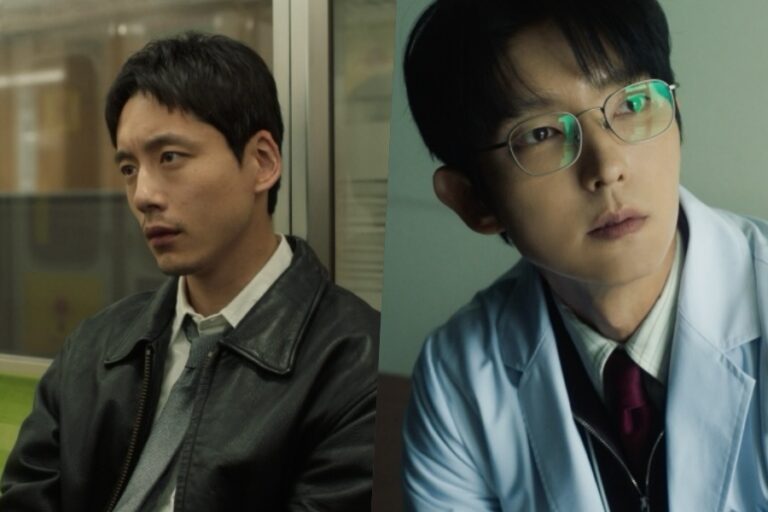
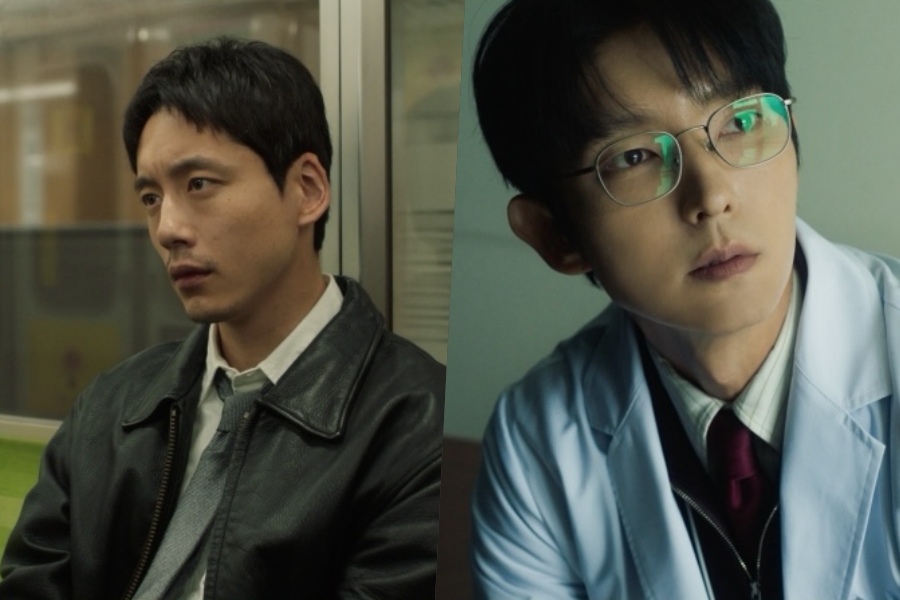
Han Ki Joo (Lee Joon Gi), a Seoul doctor struggling with guilt over a failed surgery involving his daughter, was deliberately approached by Park Dong Guk (Lee Seo Hwan), an employee of a funeral service company. Park Dong Guk made cryptic remarks that revealed precise knowledge of Han Ki Joo’s professional failures and current emotional state. This targeted contact from someone whose profession naturally deals with grief and death indicates Han Ki Joo was identified, researched thoroughly, and selected as a participant well before the kidnapping occurred.
Both encounters point to a perpetrator who either conducted extensive background investigation on each victim or possessed prior knowledge that made such investigation unnecessary. The choice to approach victims through individuals related to their specific vulnerabilities indicates calculated psychological strategy.
Recurring Symbols Across Multiple Locations
The kidnappings, though spread across different countries and time zones, share consistent physical evidence pointing to a single coordinating force. These repeated details suggest deliberate symbolism embedded within the crimes’ design.
The Atra Van and Rose Petals
A van belonging to a flower shop named “Atra” has been spotted near abduction locations in multiple cities. Red rose petals have been left at each crime scene, creating a visible pattern across the international operation. The repetition of identical elements across continents indicates meticulous planning and careful execution. These recurring details likely carry encoded meaning within the perpetrator’s larger design, functioning as a signature that connects the disparate kidnappings into one unified operation.
The Flower Shop Warning
When Han Ki Joo visited a flower shop to purchase flowers for his daughter, a woman inside provided a startlingly specific warning: “The game will begin in five hours.” His daughter was kidnapped shortly after he left the shop. The woman’s apparent foreknowledge of exact timing raises critical questions about her role: Does she actively participate in executing the kidnappings, or does she work under coercion relaying information to the perpetrator? She works at a flower shop where Atra vans have been spotted at crime scenes, positioning her as either directly involved in the operation or acting as a crucial information relay.
The Seven Victims and Their Mysterious Connection
The seven kidnapped individuals span vastly different demographics, professions, nationalities, and family relationships. Identifying what connects them will likely reveal the perpetrator’s core motivation and selection criteria.
Niide’s wife disappeared from Tokyo. Han Ki Joo’s daughter was taken from Seoul. In Taipei, Christina Lin (Alice Ko), a housewife, lost her husband. Singapore-based flight attendant Janice Lau (Carrie Wong) lost her romantic partner. Bangkok hostess Am Thanawan (Narupornkamol Chaisang) lost her lover. Manila taxi driver Miguel Garcia (Joel Torre) lost his granddaughter. Naha systems engineer Higa Kuranosuke (Mitsushima Shinnosuke) lost his mother.
The victims represent professions spanning medicine, law enforcement, hospitality, transportation, and technology. Their ages range from children to elderly relatives. Their family relationships encompass spouses, children, parents, and grandchildren. No immediate pattern emerges based on shared occupation, nationality, age, social status, or family structure. Yet all seven were selected and abducted simultaneously across multiple countries and time zones, suggesting the perpetrator operated from a selection criteria meaningful to them but initially opaque to both the characters and viewers.
The International Coordination and Strategic Implications
The simultaneous execution of kidnappings across seven countries, coordinated with sufficient precision that a flower shop employee possessed exact timing information, demonstrates organizational capabilities far beyond typical criminal operations. Each victim was identified and selected based on specific criteria the perpetrator clearly understood, even if those criteria remain hidden from the audience.
The perpetrator either possesses extensive intelligence-gathering resources, maintains prior personal connection to all seven victims, or has access to detailed information systems that made selecting them possible. The operation’s scope, precision, and psychological sophistication indicate this was neither opportunistic nor improvised.
The Broadcast Continues October 13
The narrative continues on October 13 at 10 p.m. KST. The drama’s real-time structure, with kidnappings unfolding simultaneously across multiple Asian cities, positions each episode to progressively illuminate these mysteries while potentially introducing additional complications and revelations that reframe what viewers already know.
Source: Soompi
Frequently Asked Questions
What is the premise of kiDnap GAME?
Seven individuals are kidnapped simultaneously across seven Asian cities and forced into a competition where each must complete assigned missions faster than the others to save their kidnapped loved ones.
What are the three main mysteries in kiDnap GAME?
The drama explores mysteries about suspicious figures who appeared before the kidnappings with specific knowledge of each victim, recurring symbols including an Atra flower shop van and rose petals at crime scenes, and what connects the seven victims who appear to share no obvious background.
Who stars in kiDnap GAME?
Lee Joon Gi plays Han Ki Joo, a Seoul doctor struggling with guilt over a failed surgery; Kentaro Sakaguchi plays Tokyo detective Niide Toshiro. The international cast also includes Alice Ko, Carrie Wong, Narupornkamol Chaisang, Joel Torre, and Mitsushima Shinnosuke.
